White Tattoo

White Tattoo

white tattoo

White Tattoo

White Tattoo Main Image
white tattoo

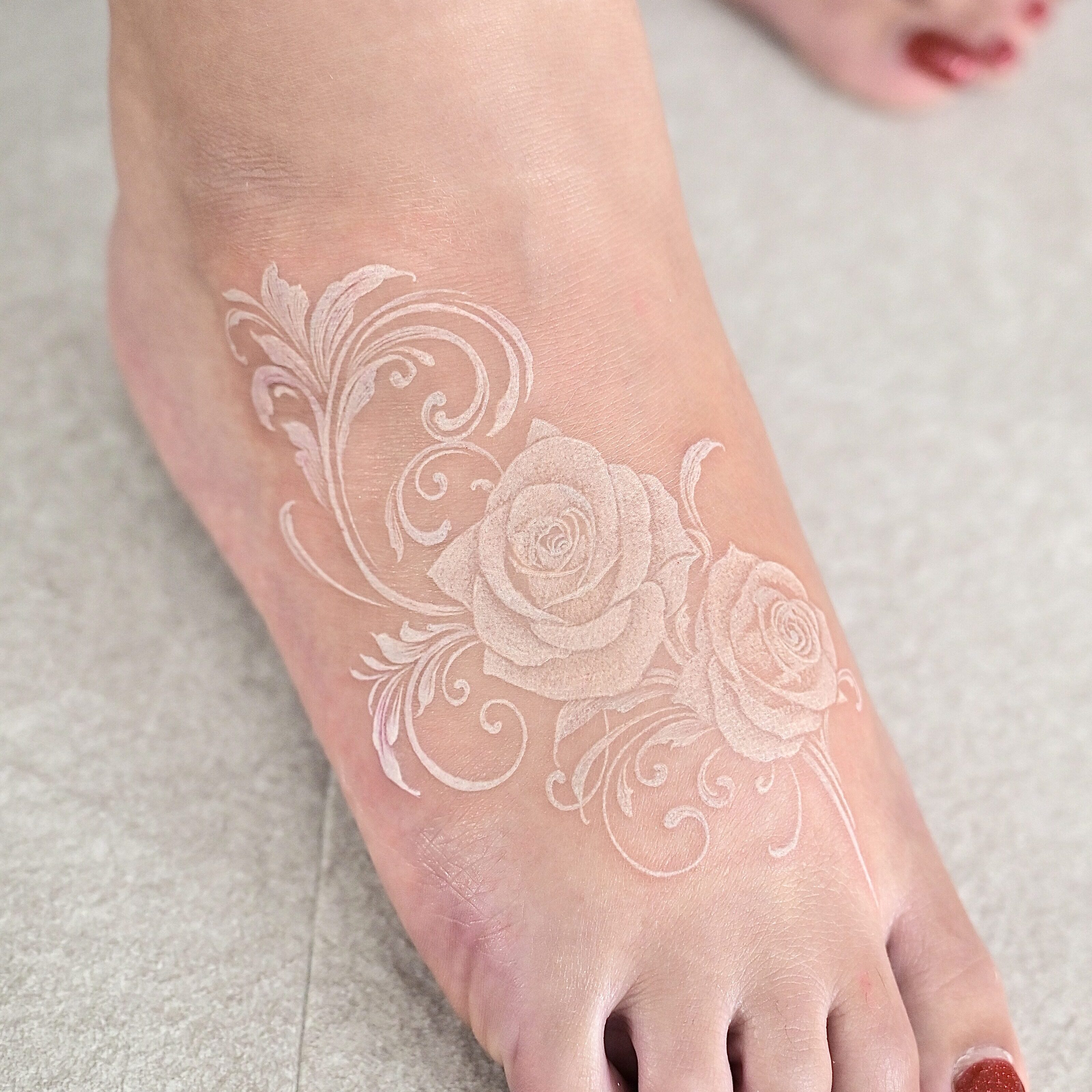
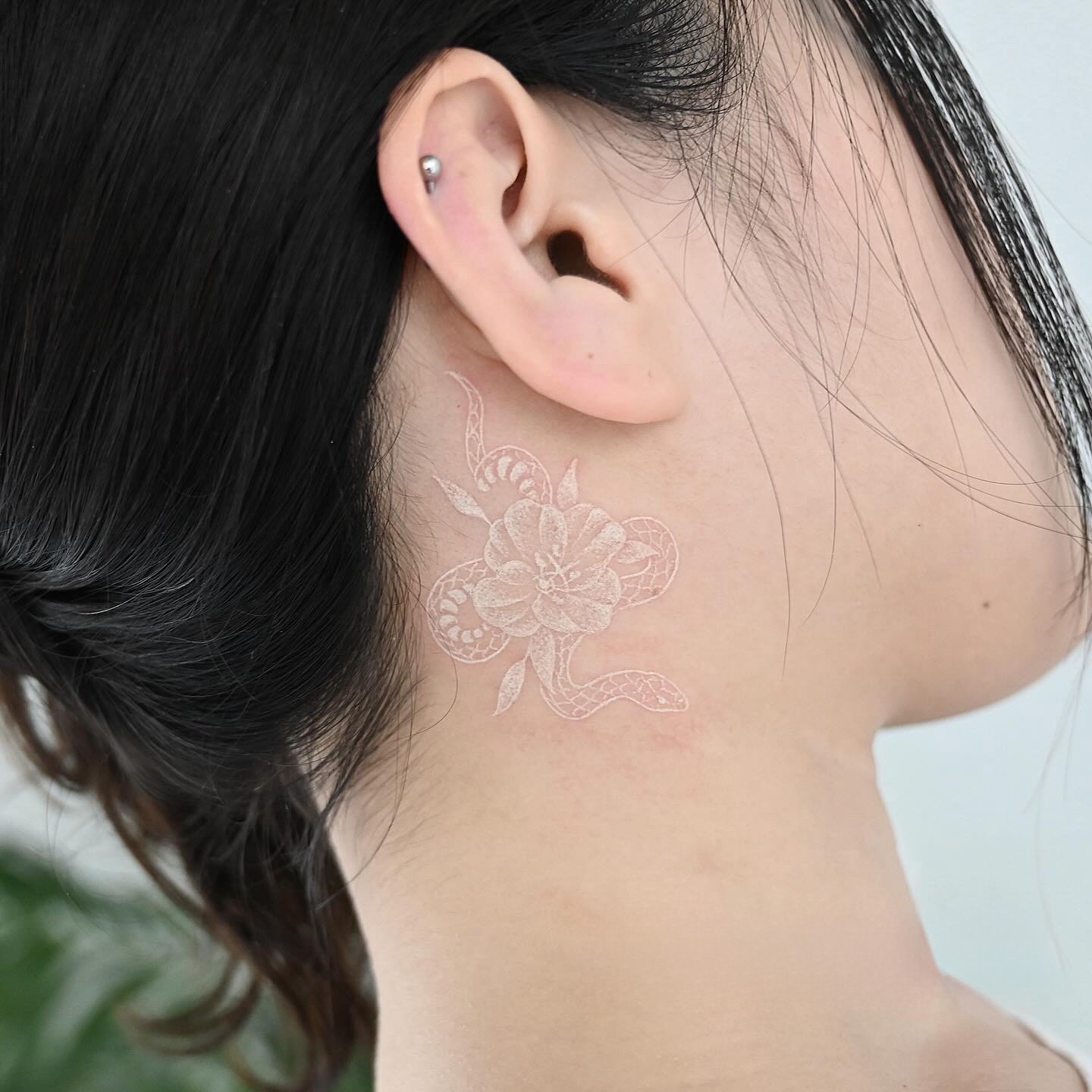
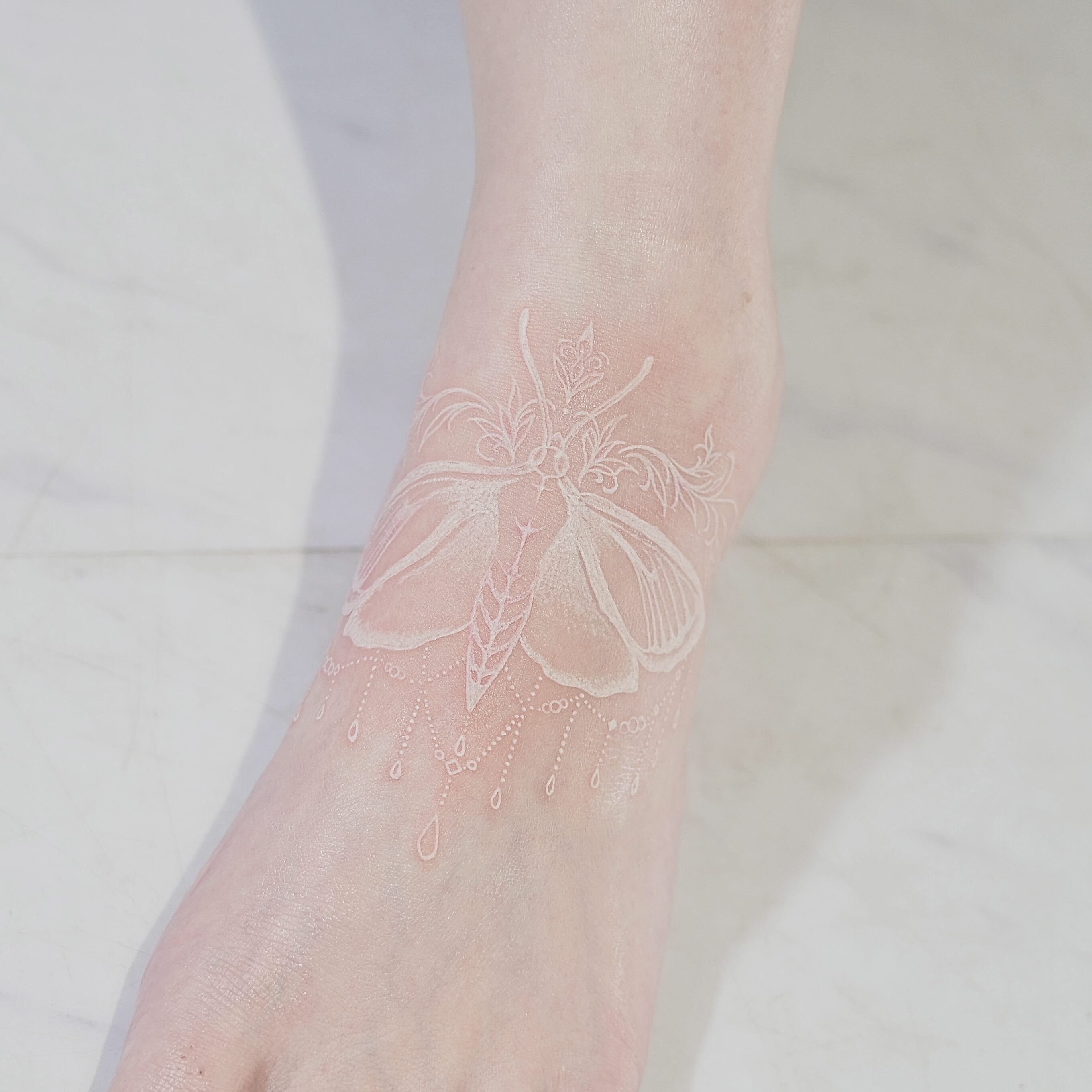
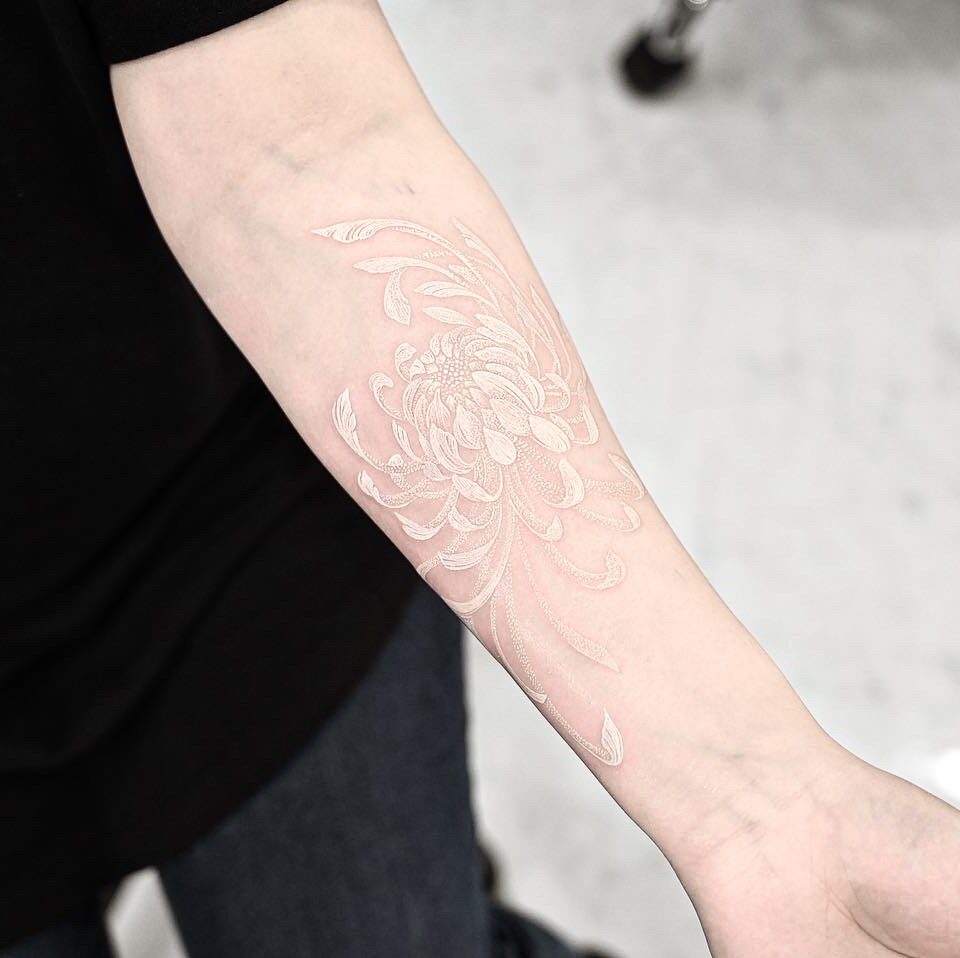
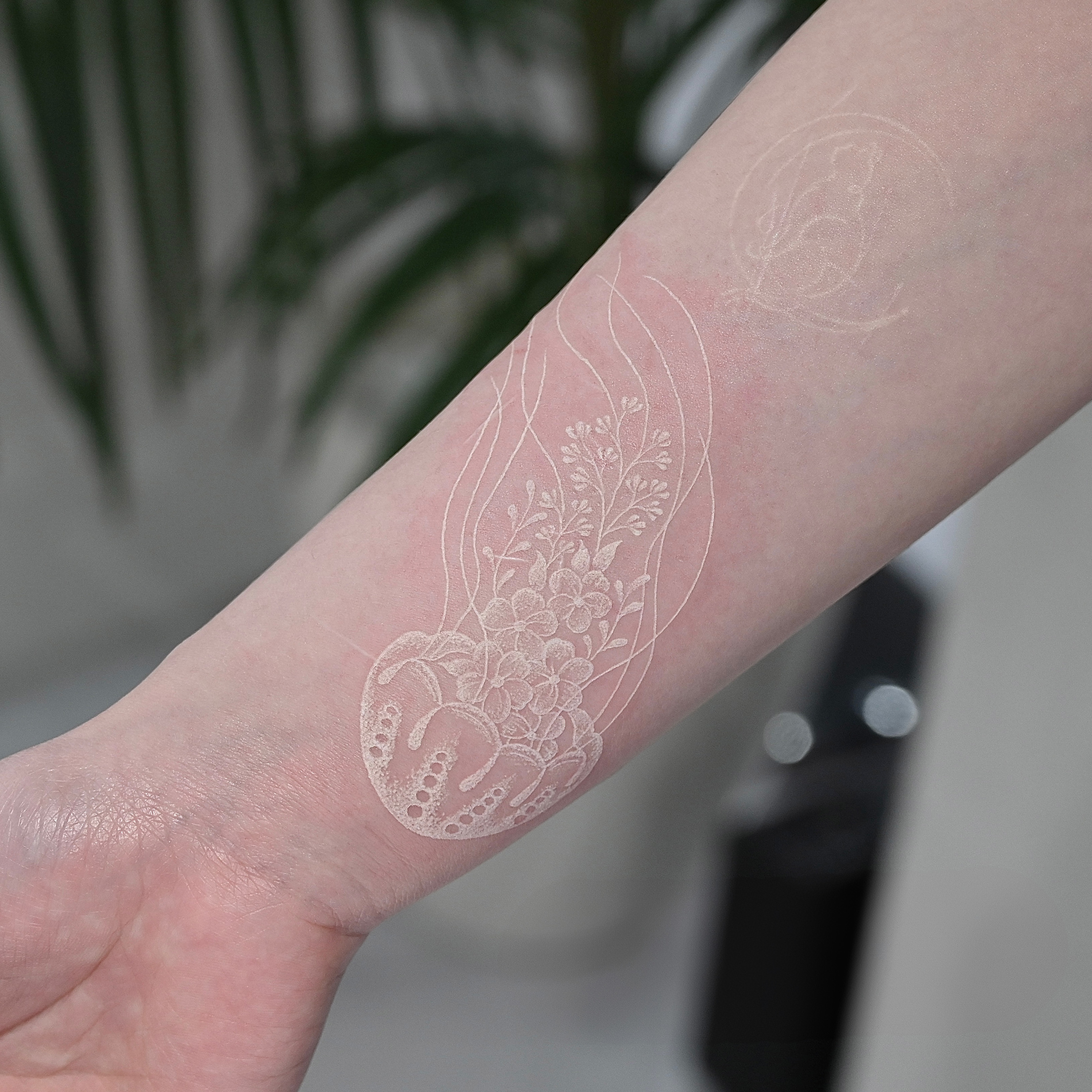
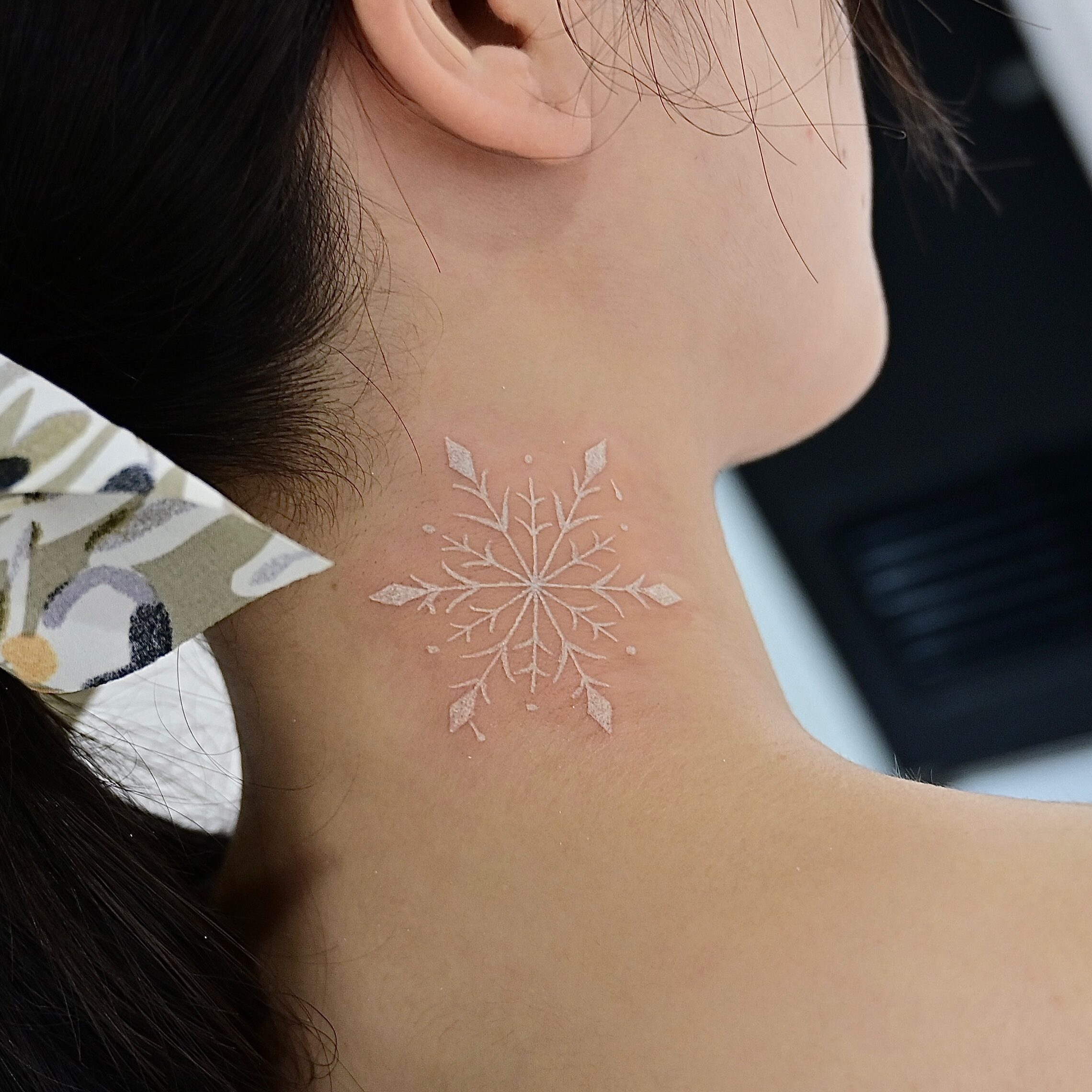
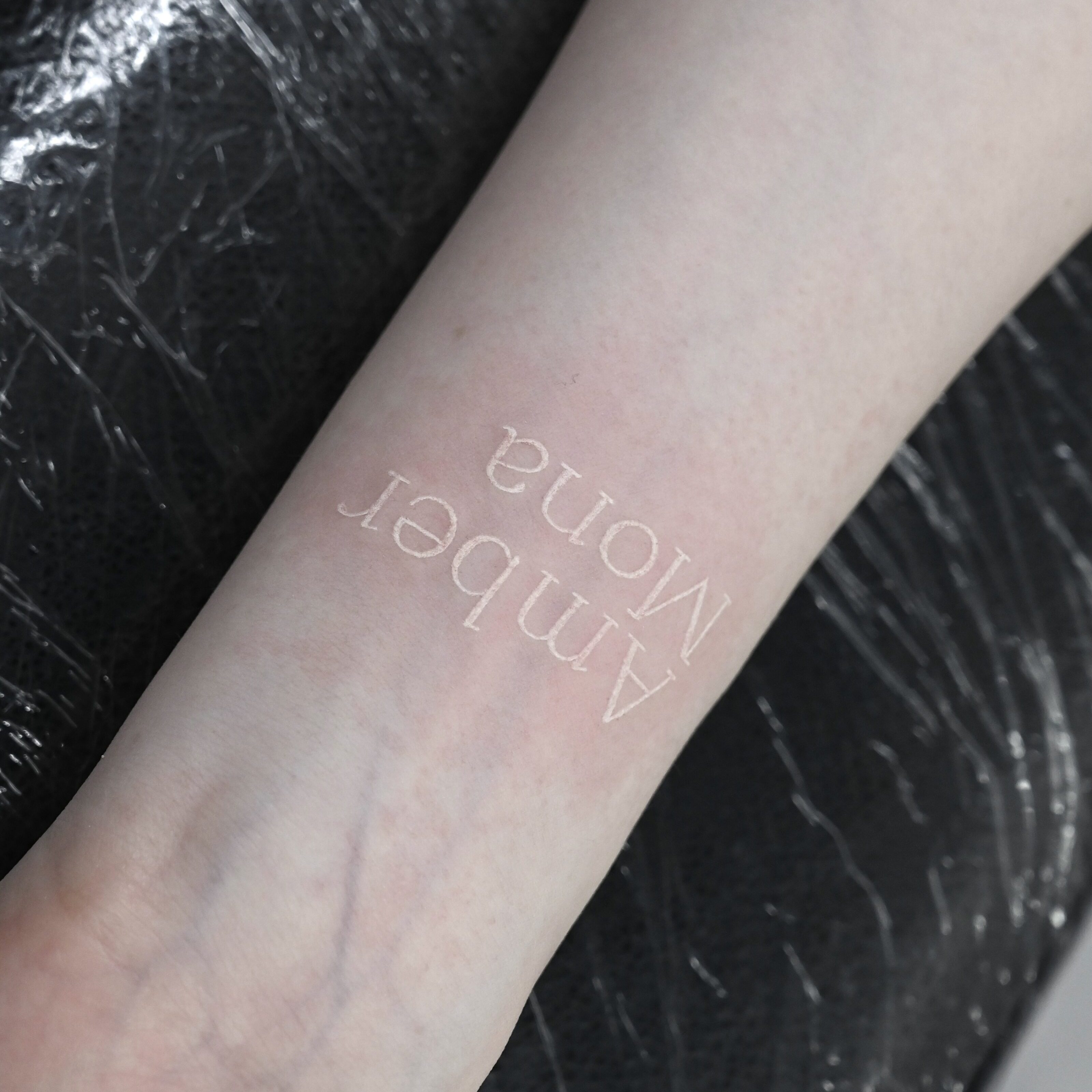
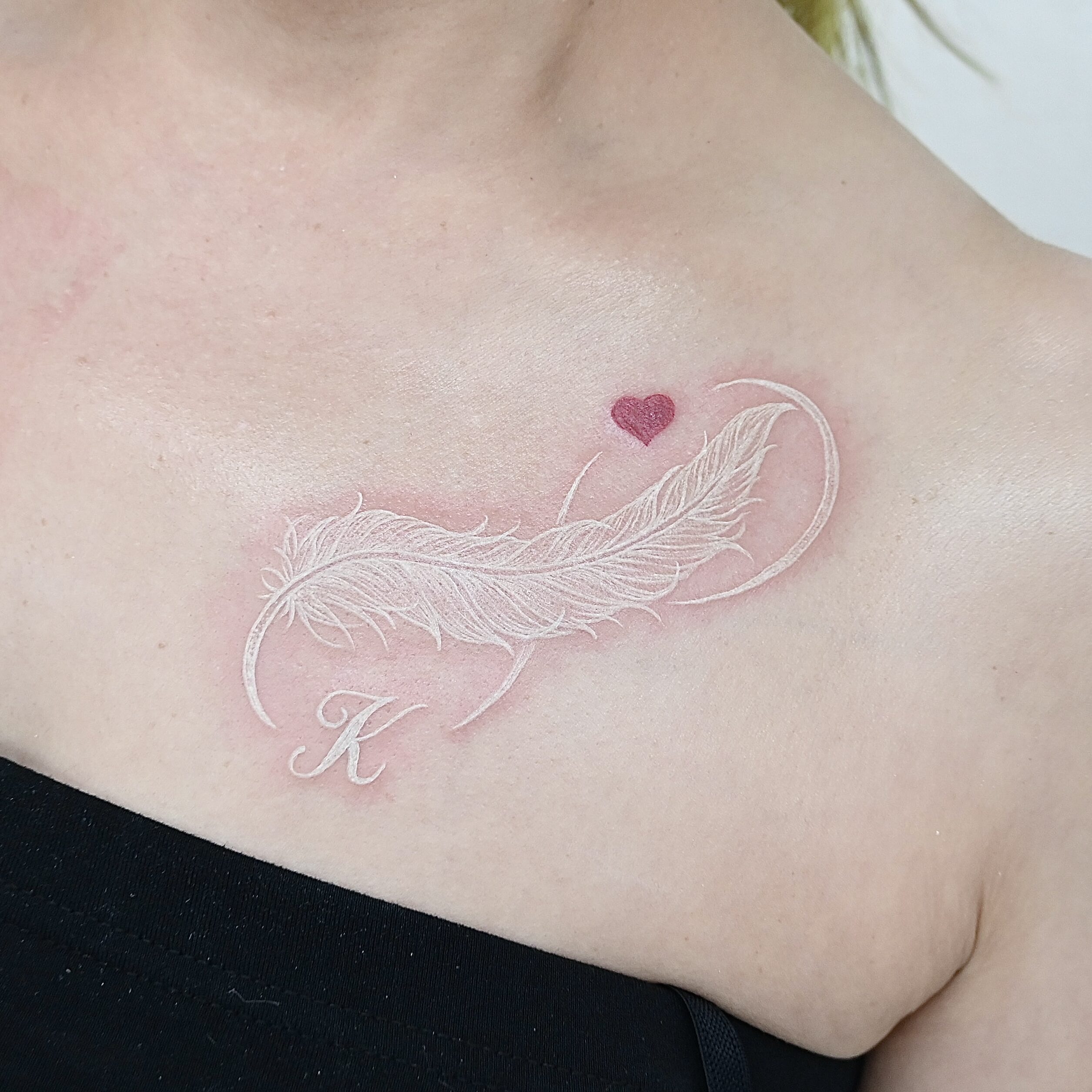
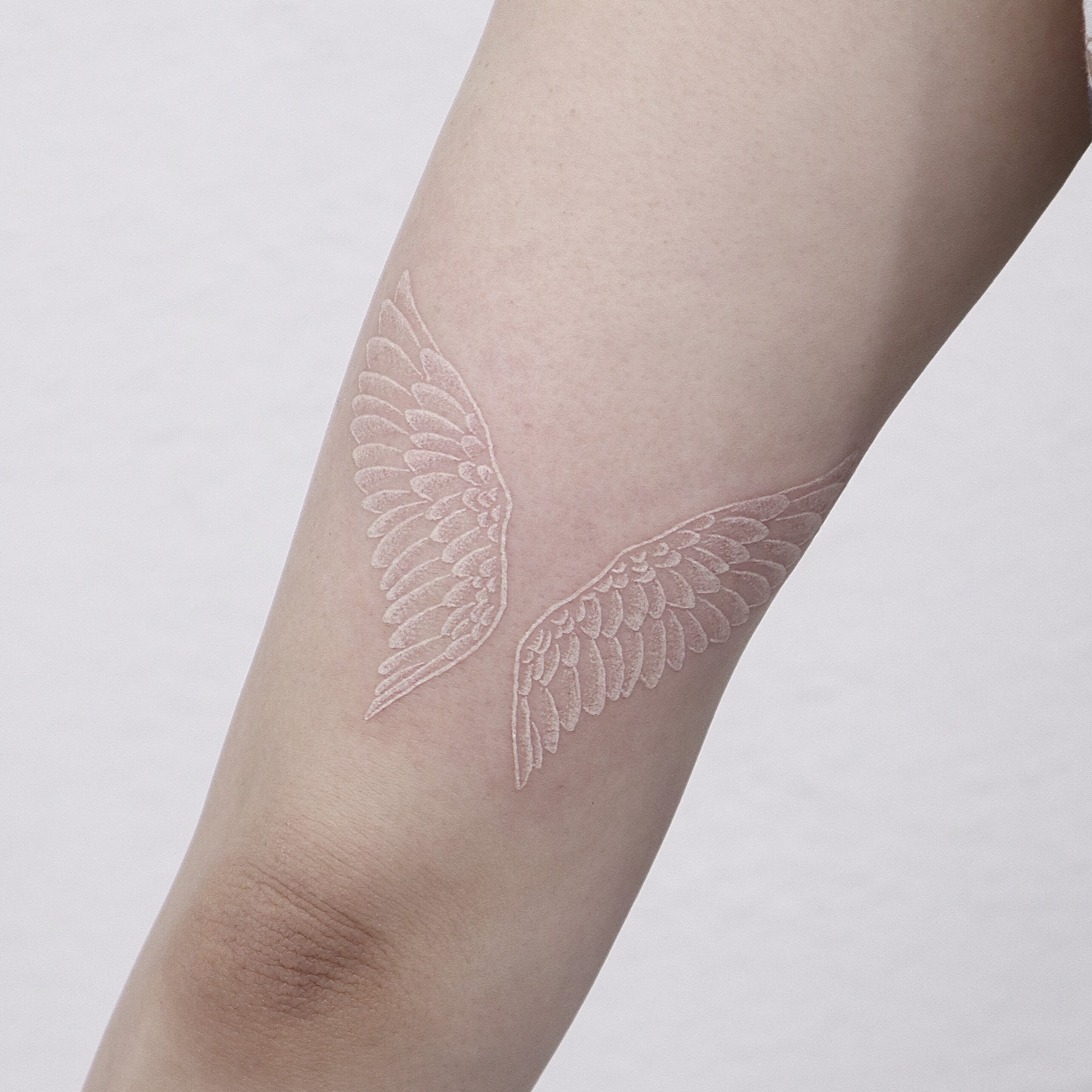
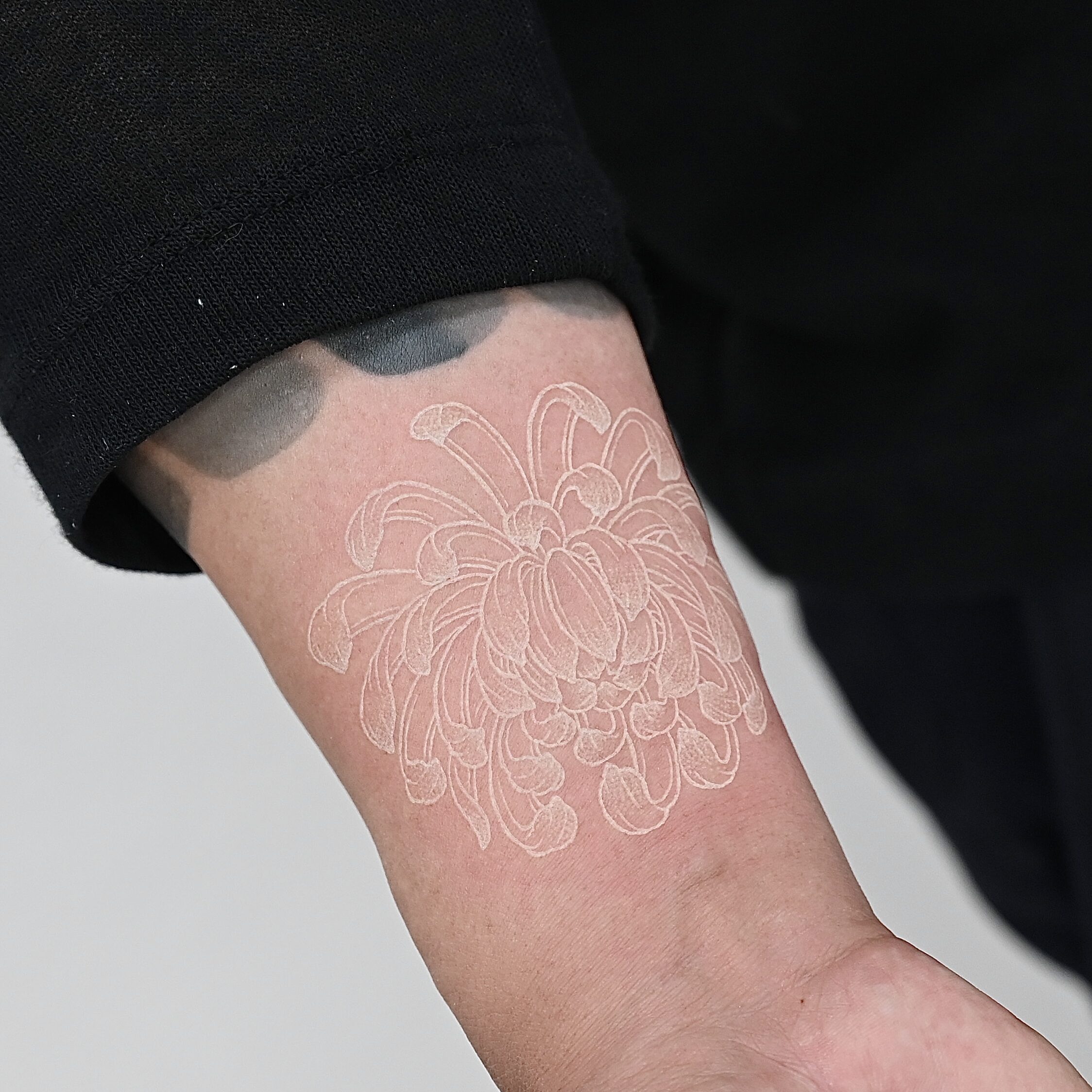
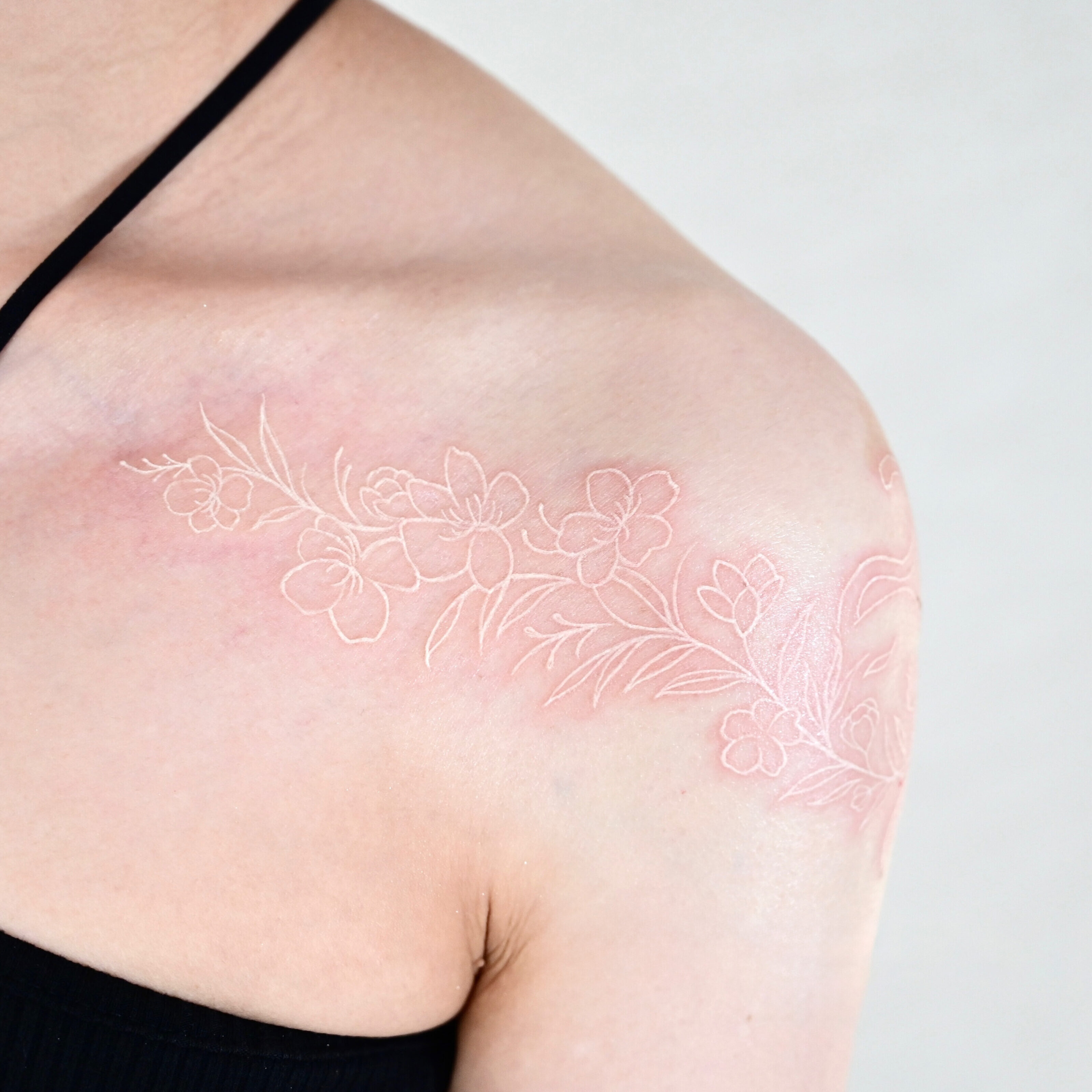
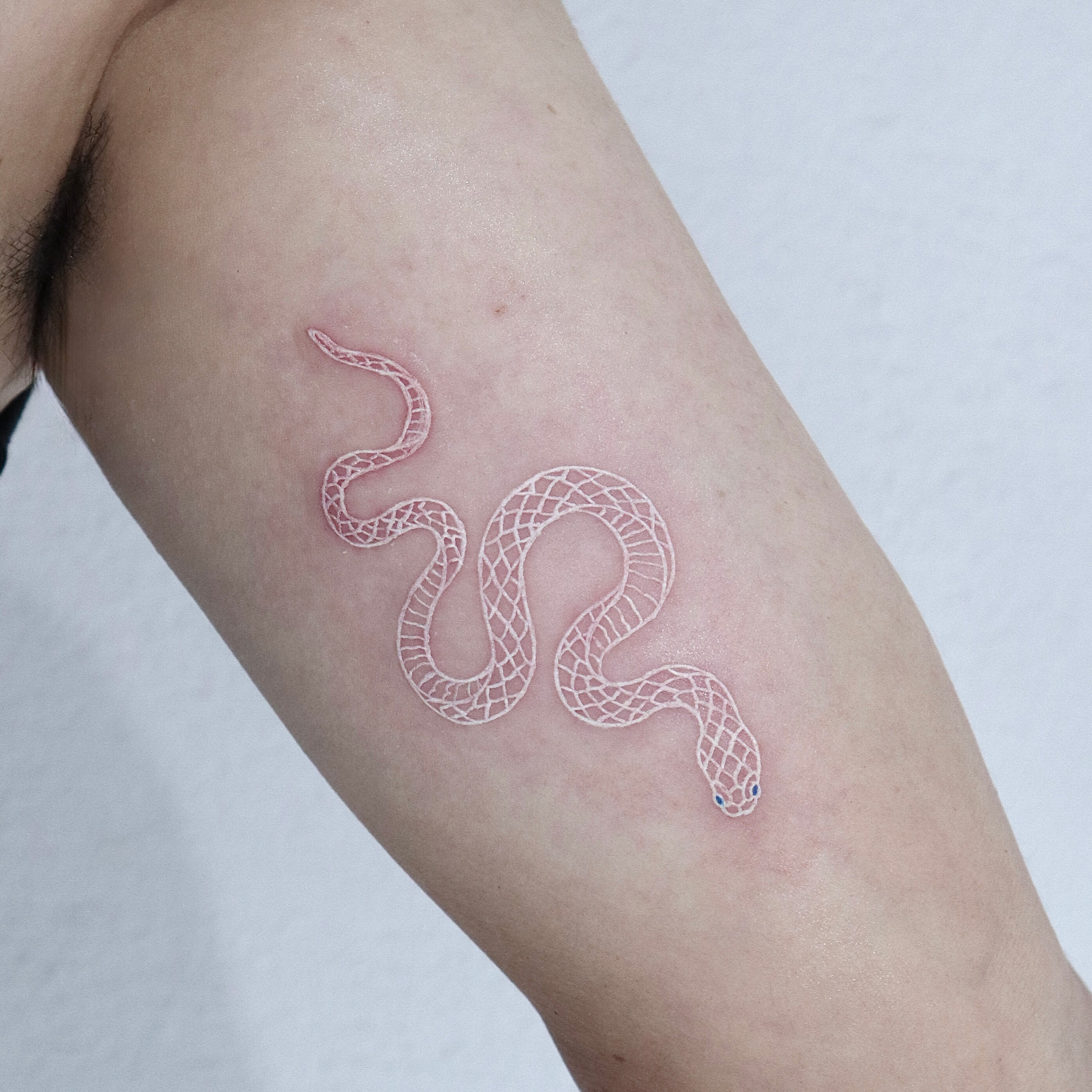
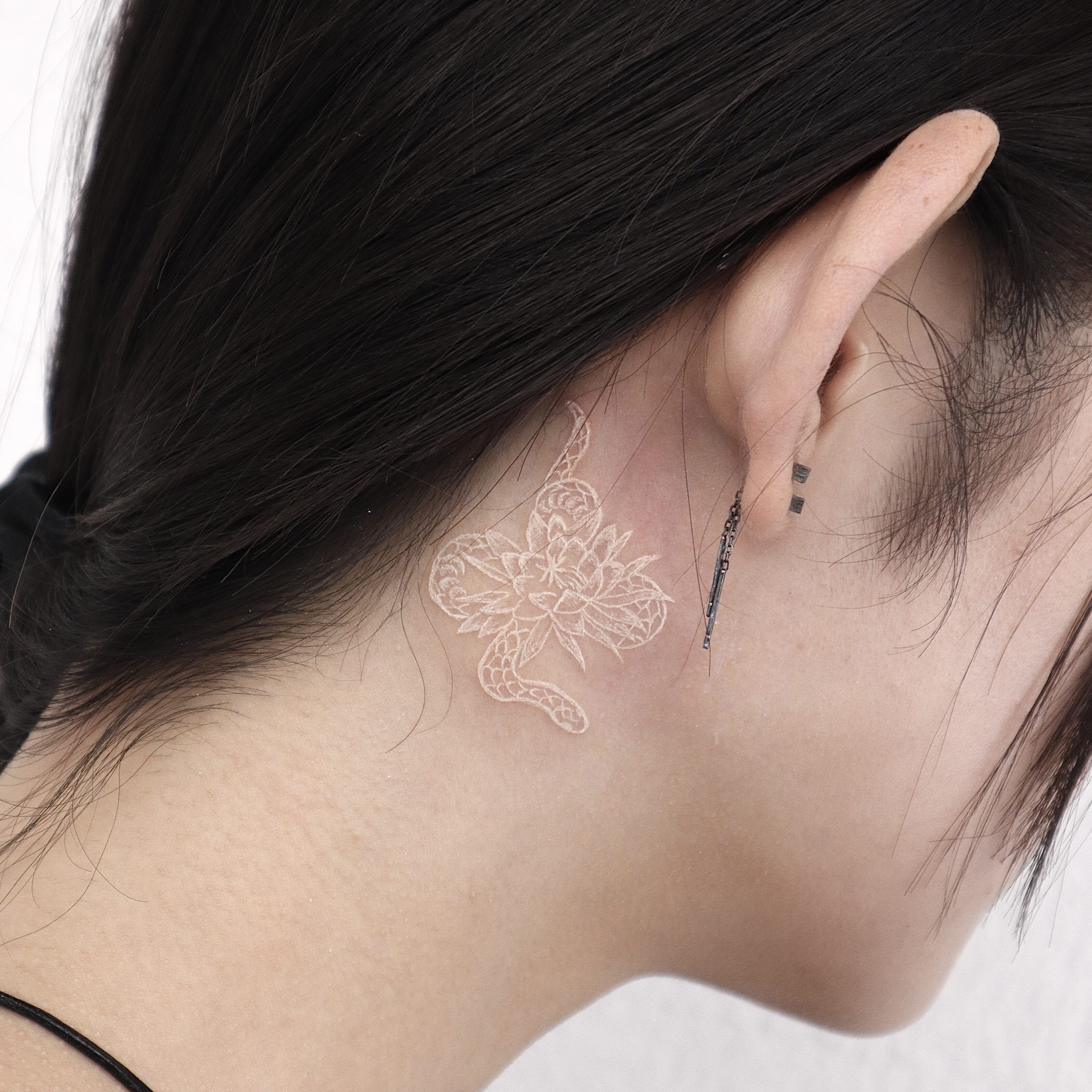
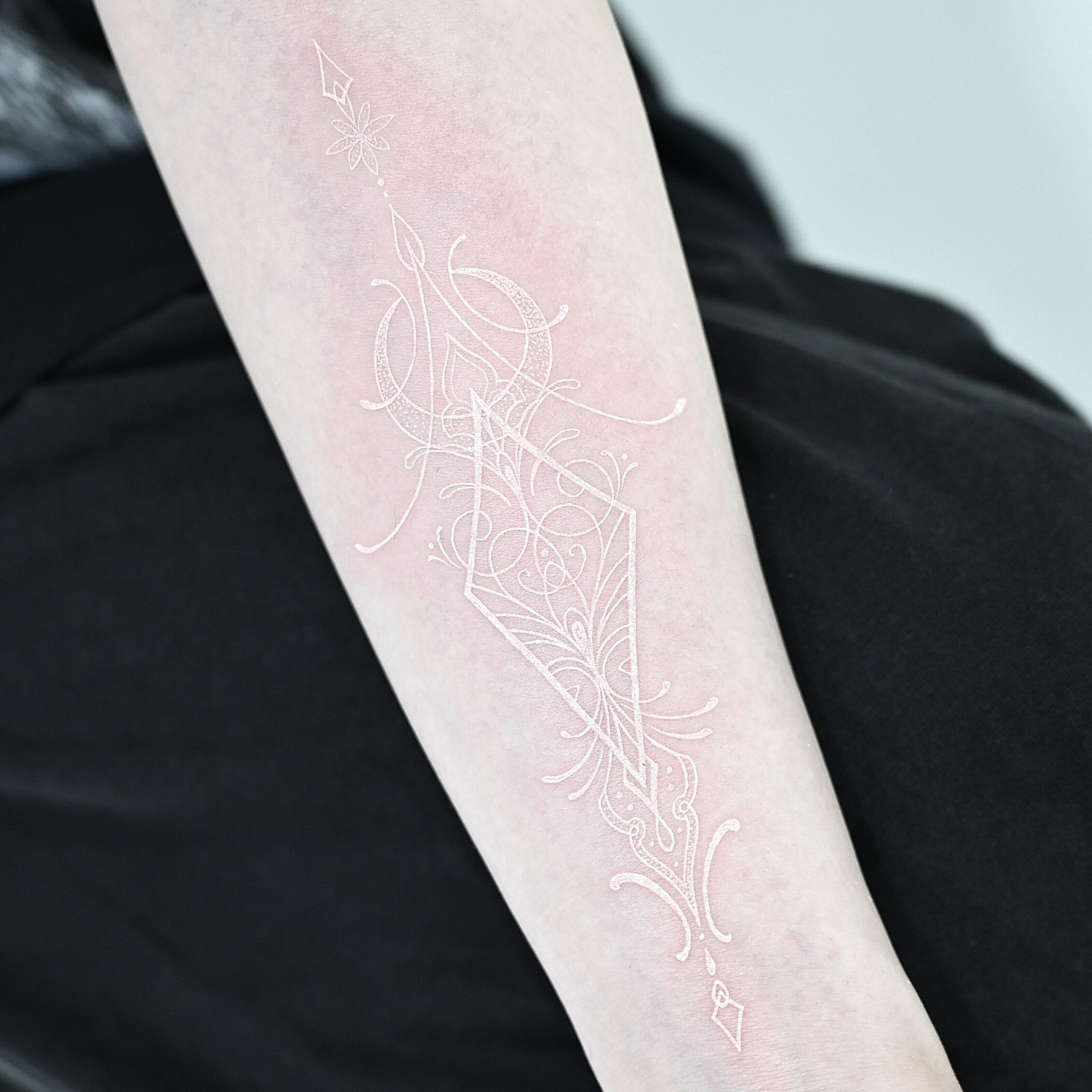
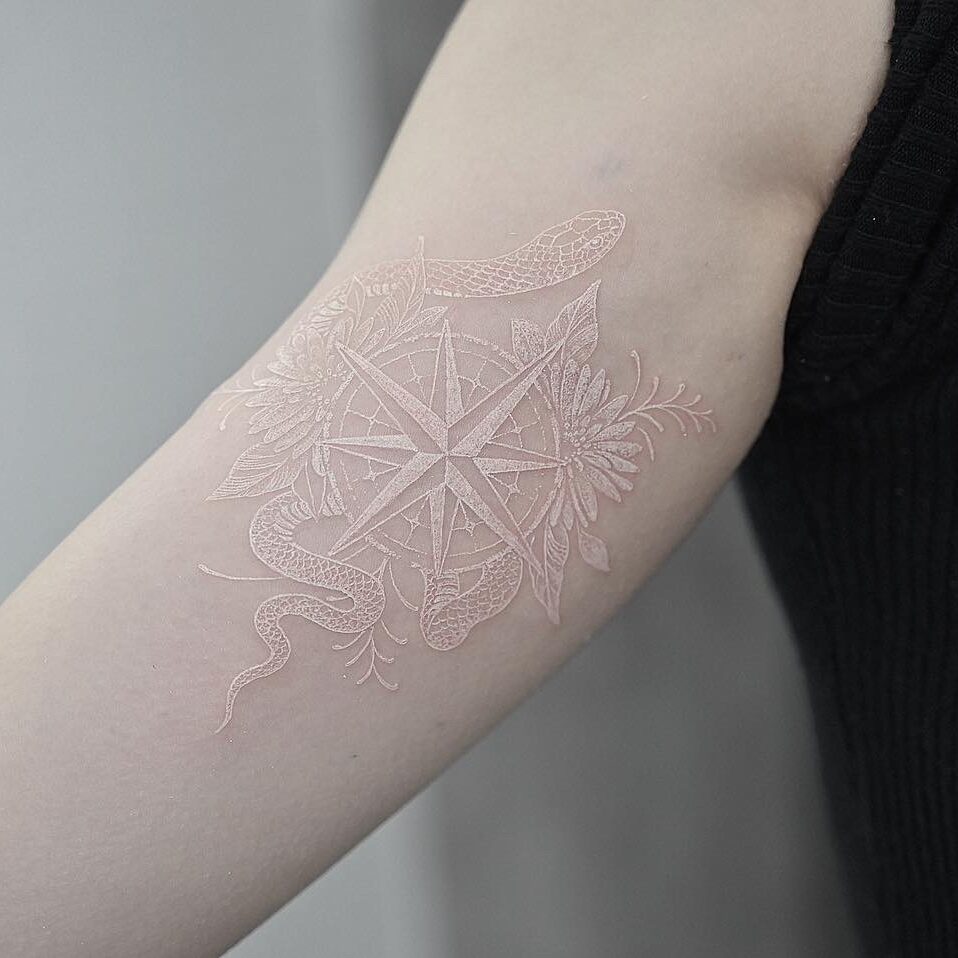
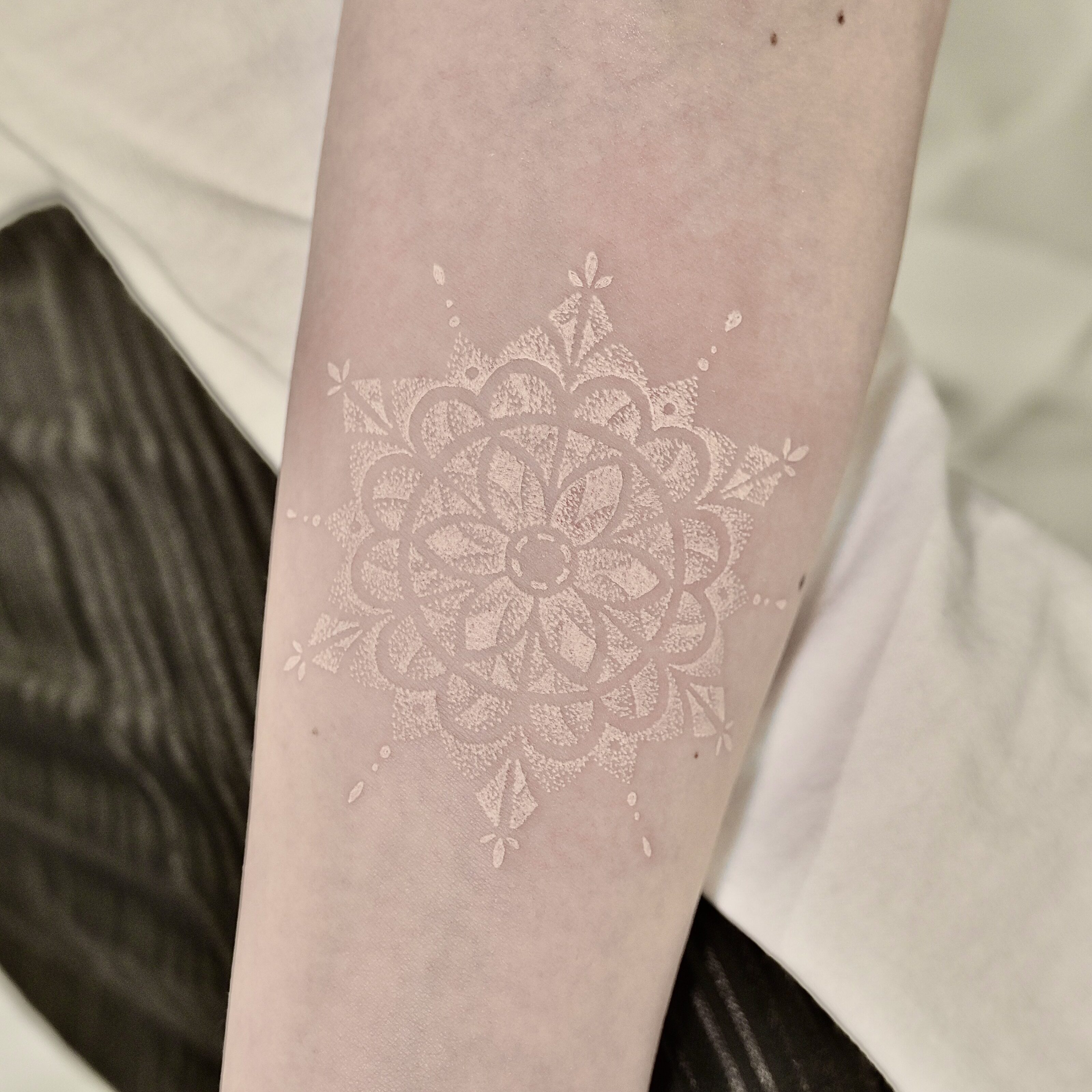
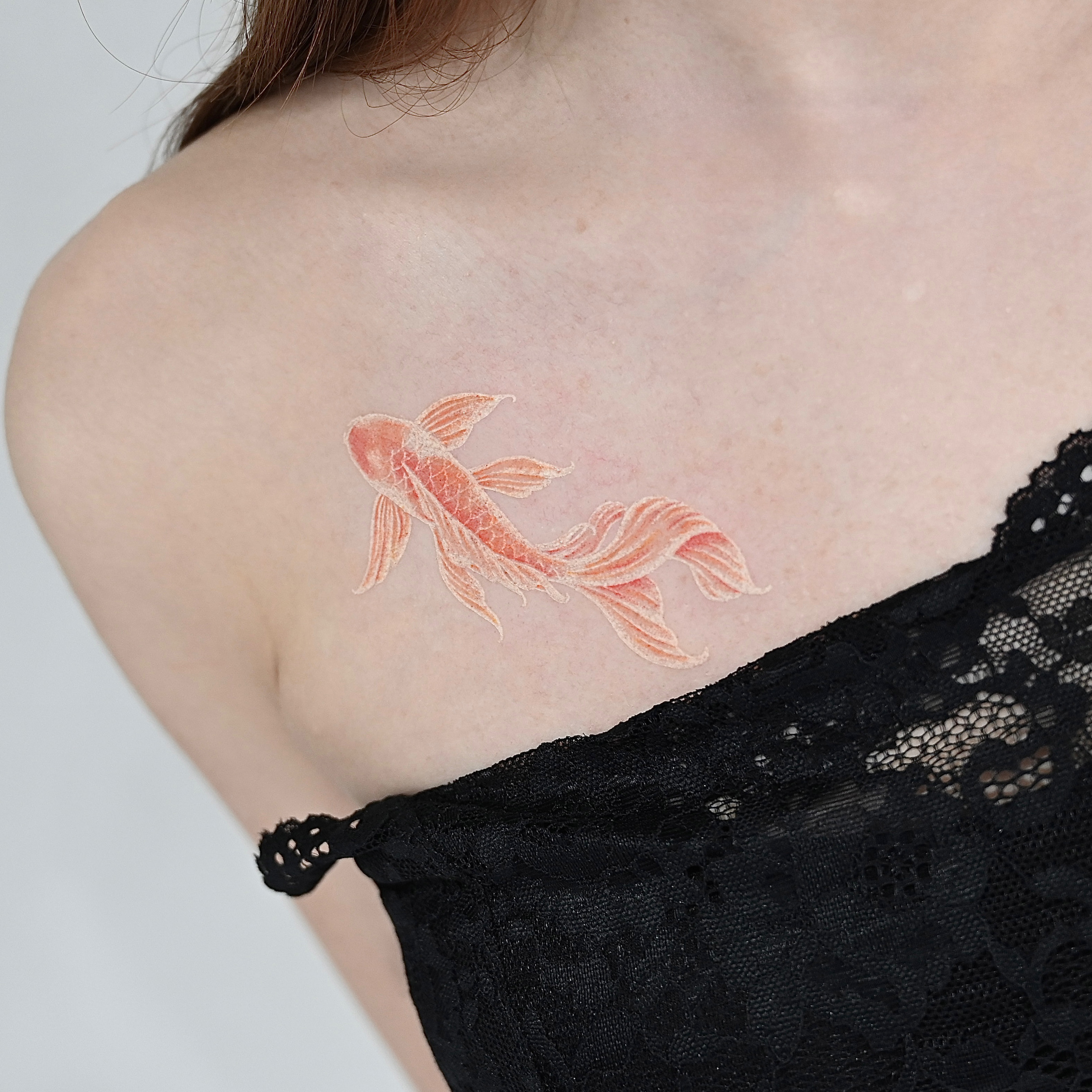
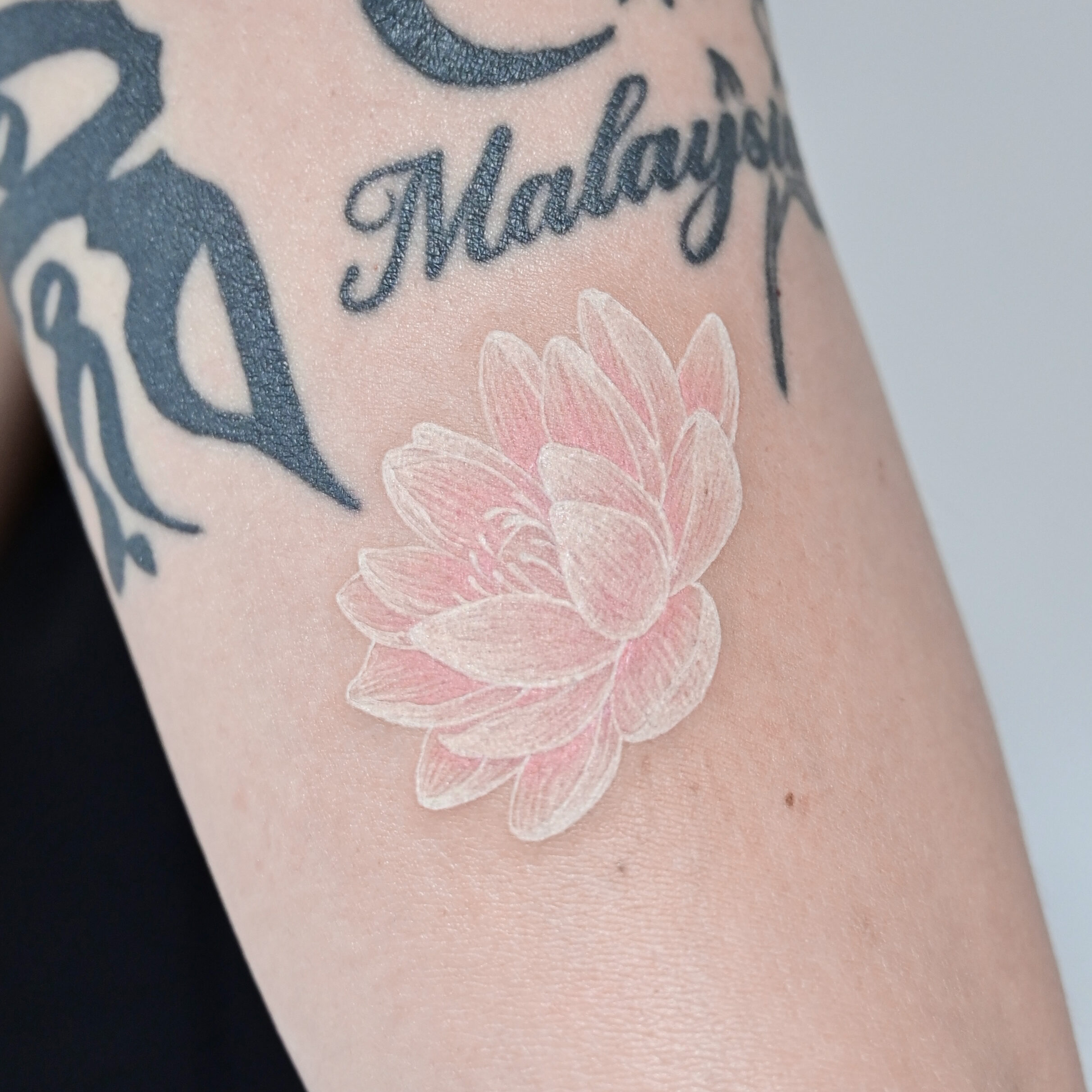
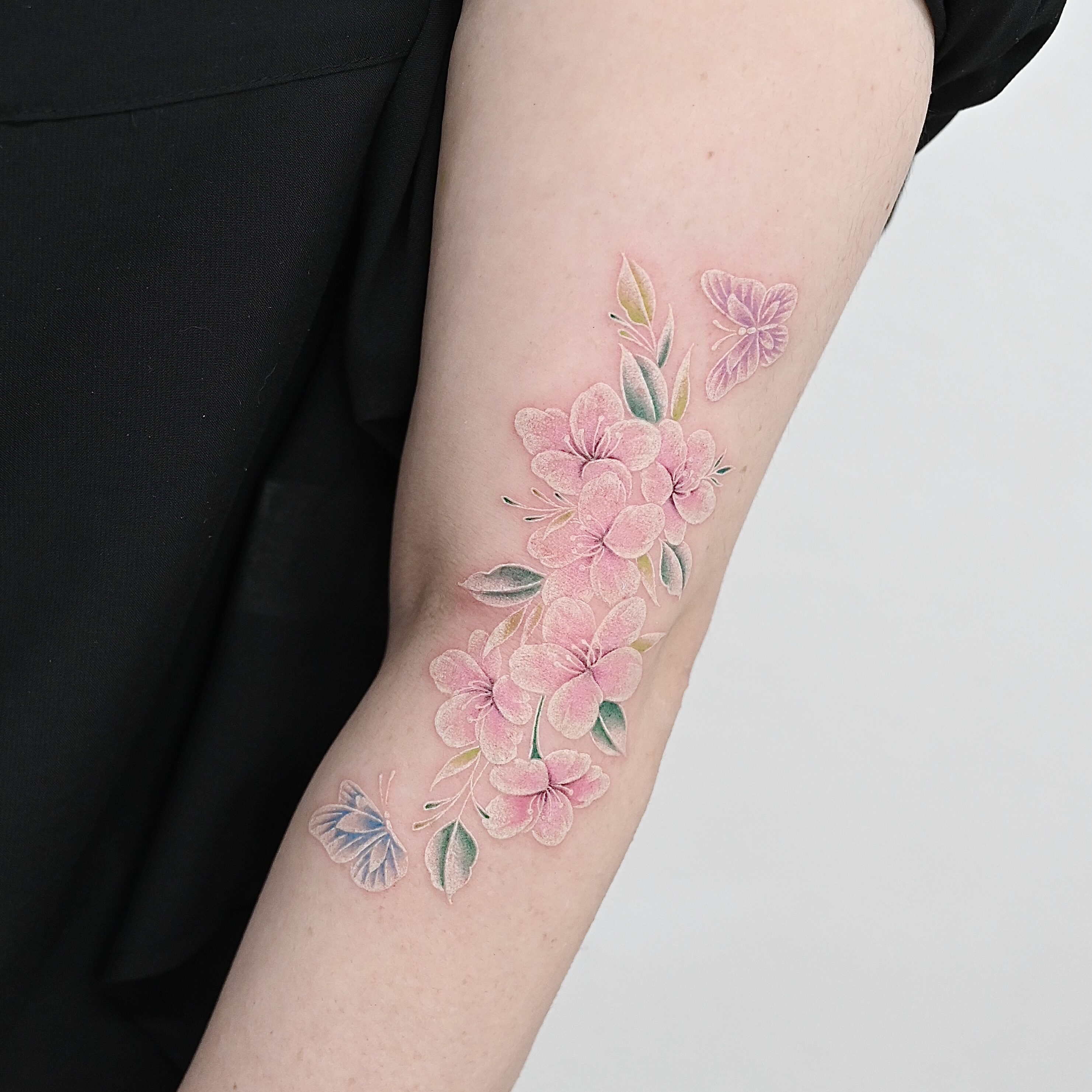
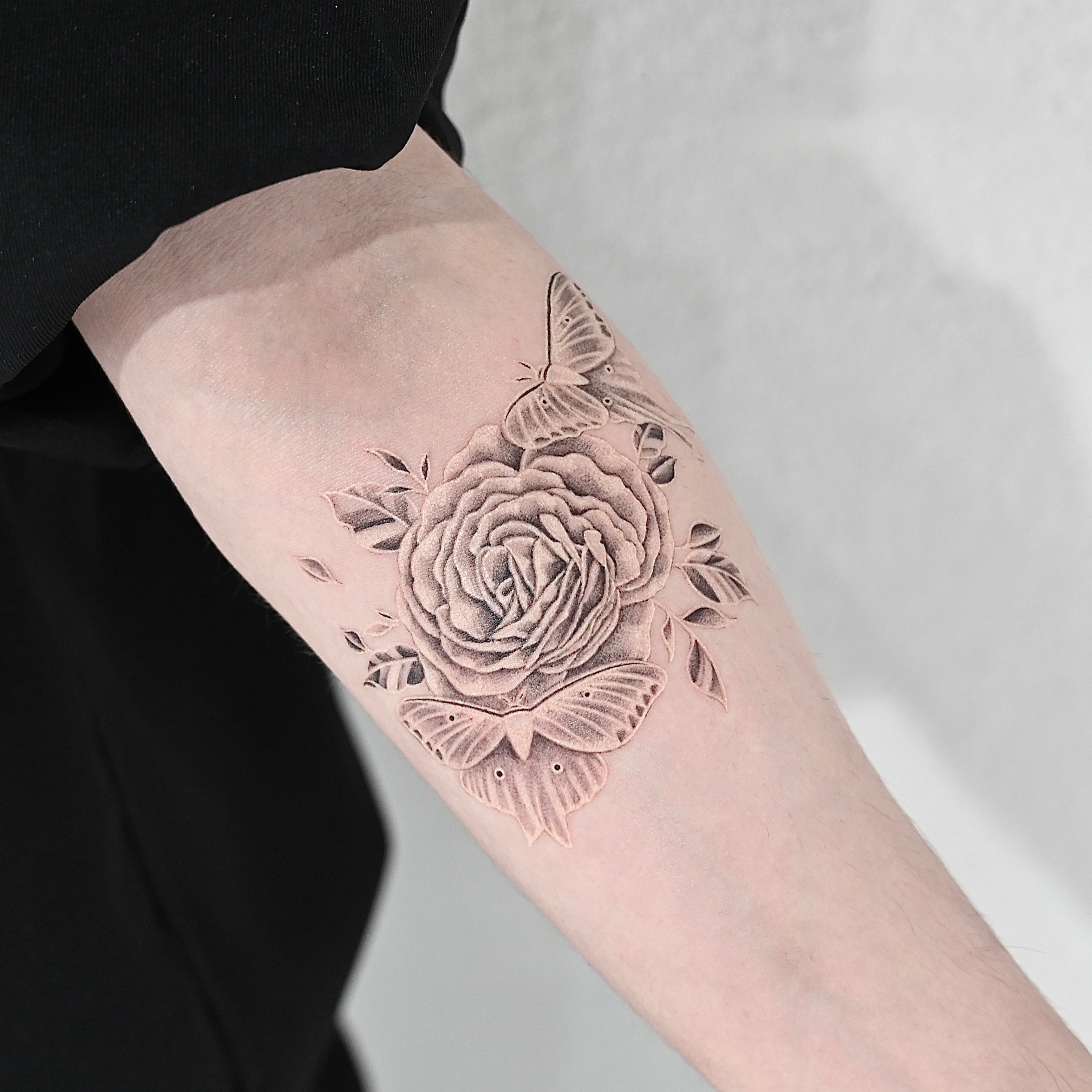
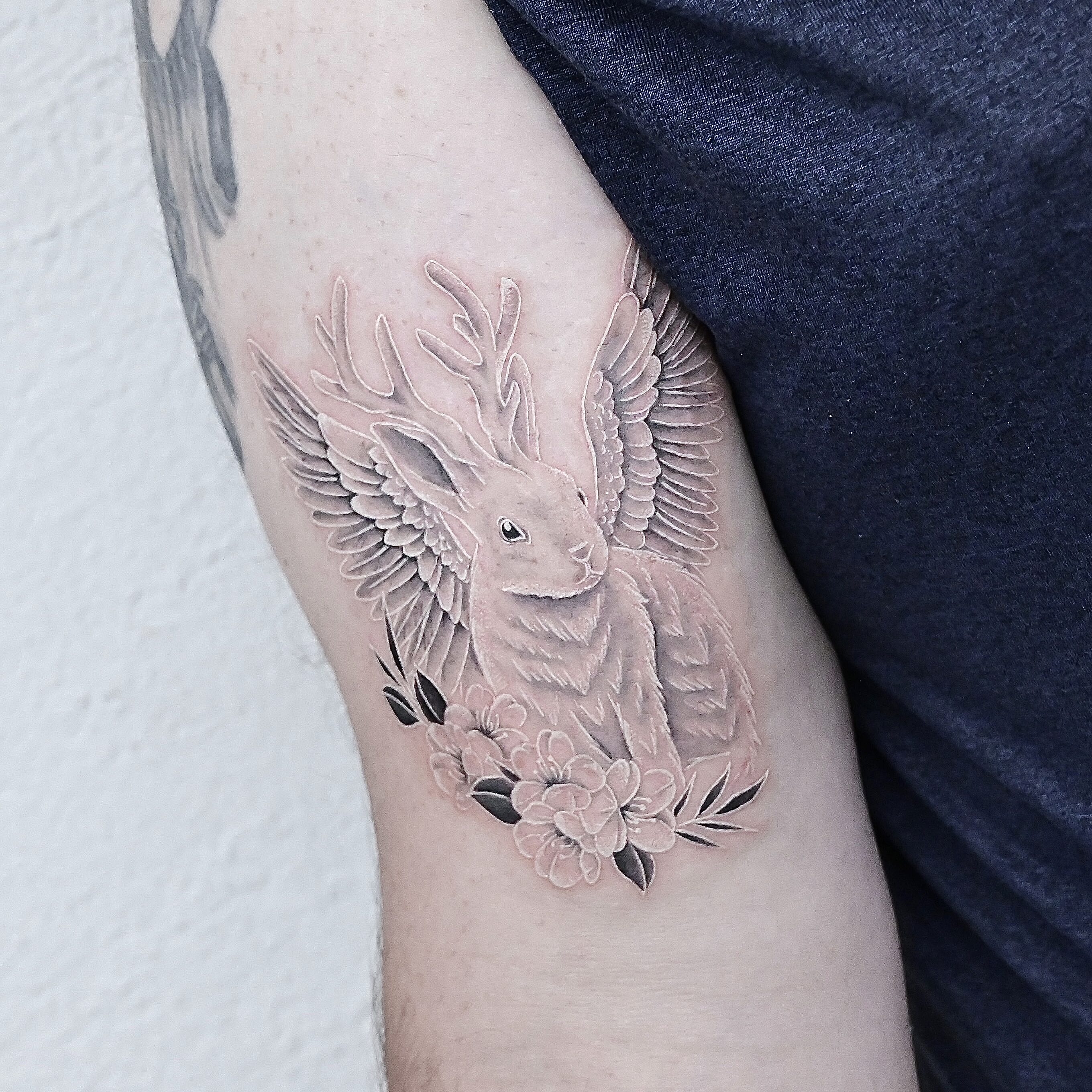
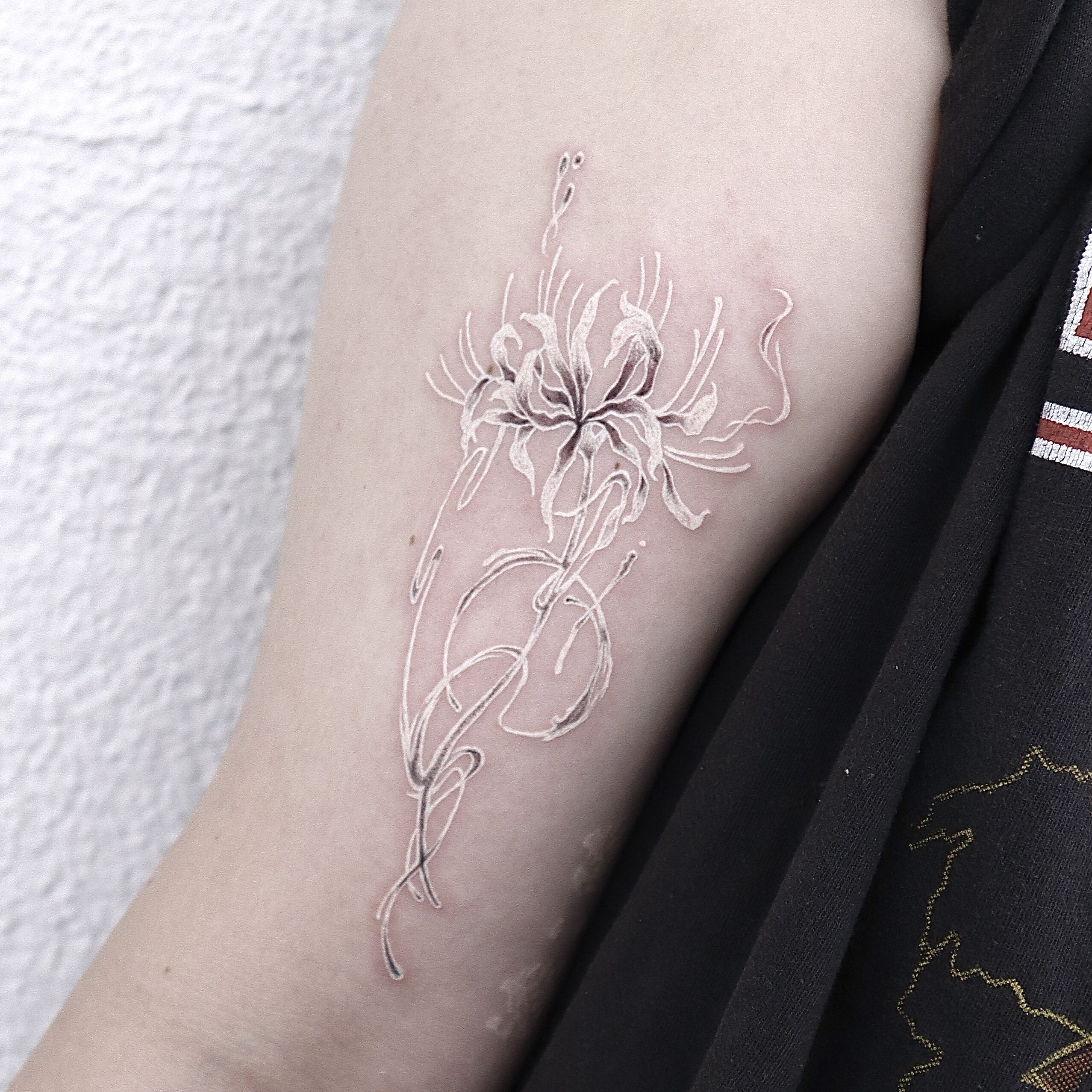
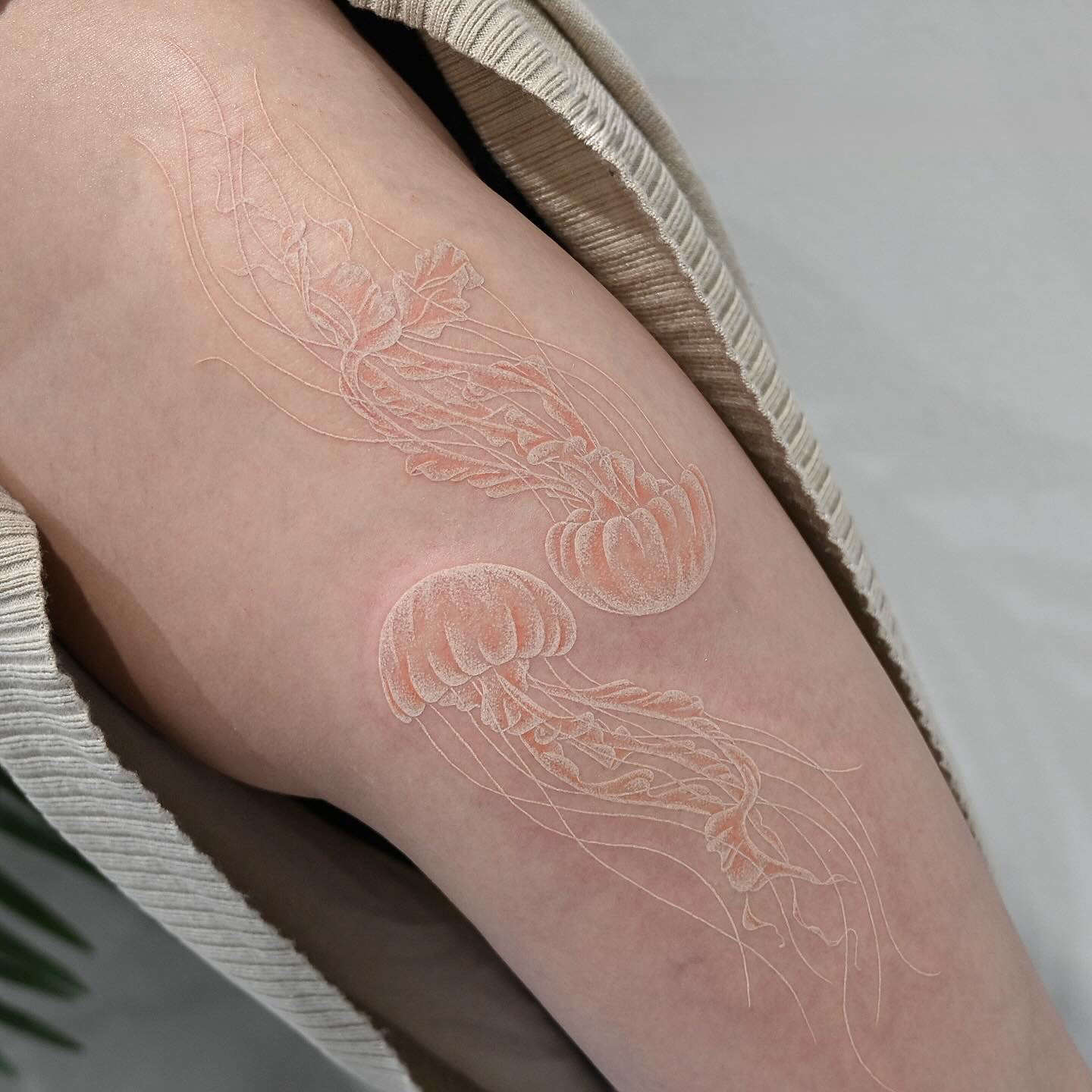
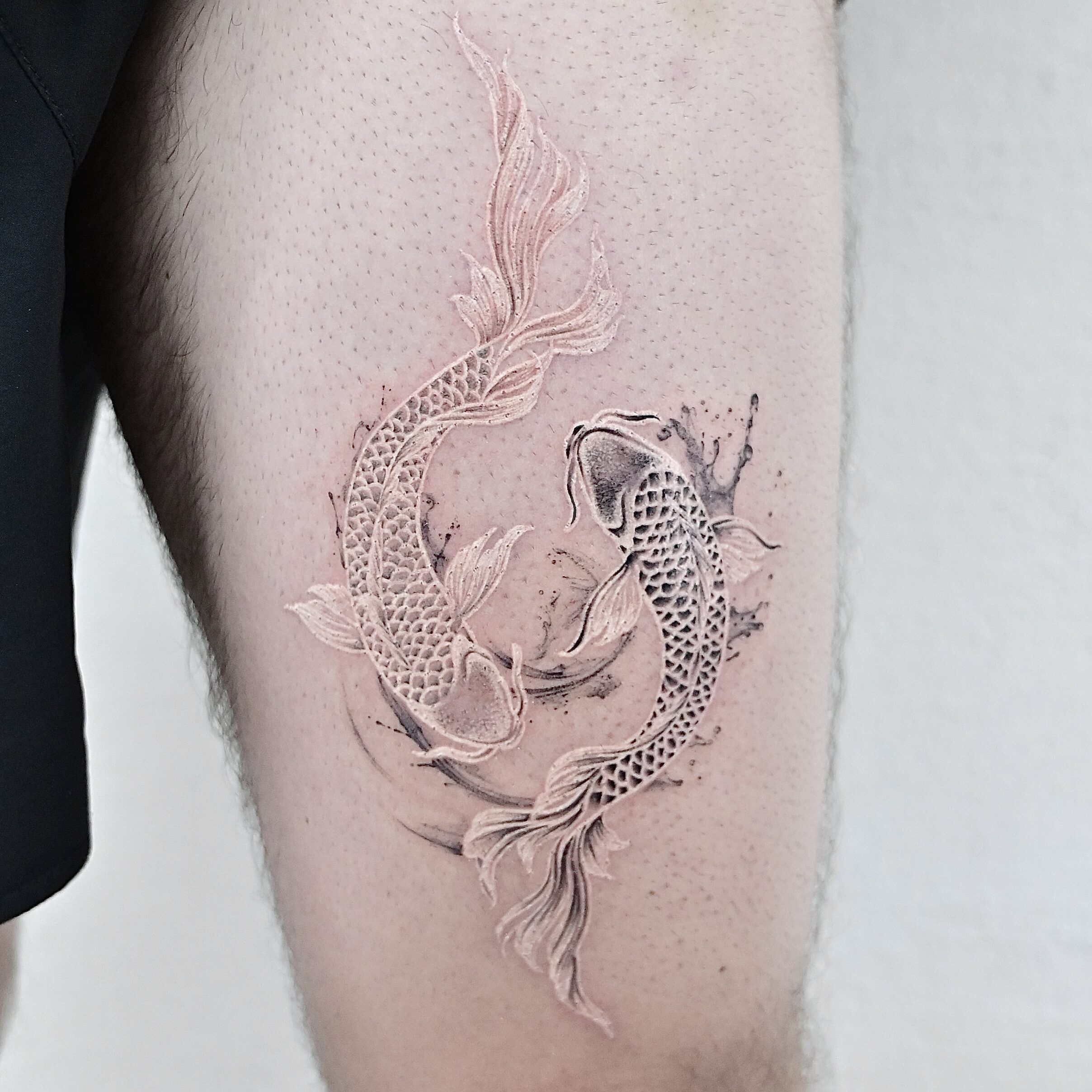
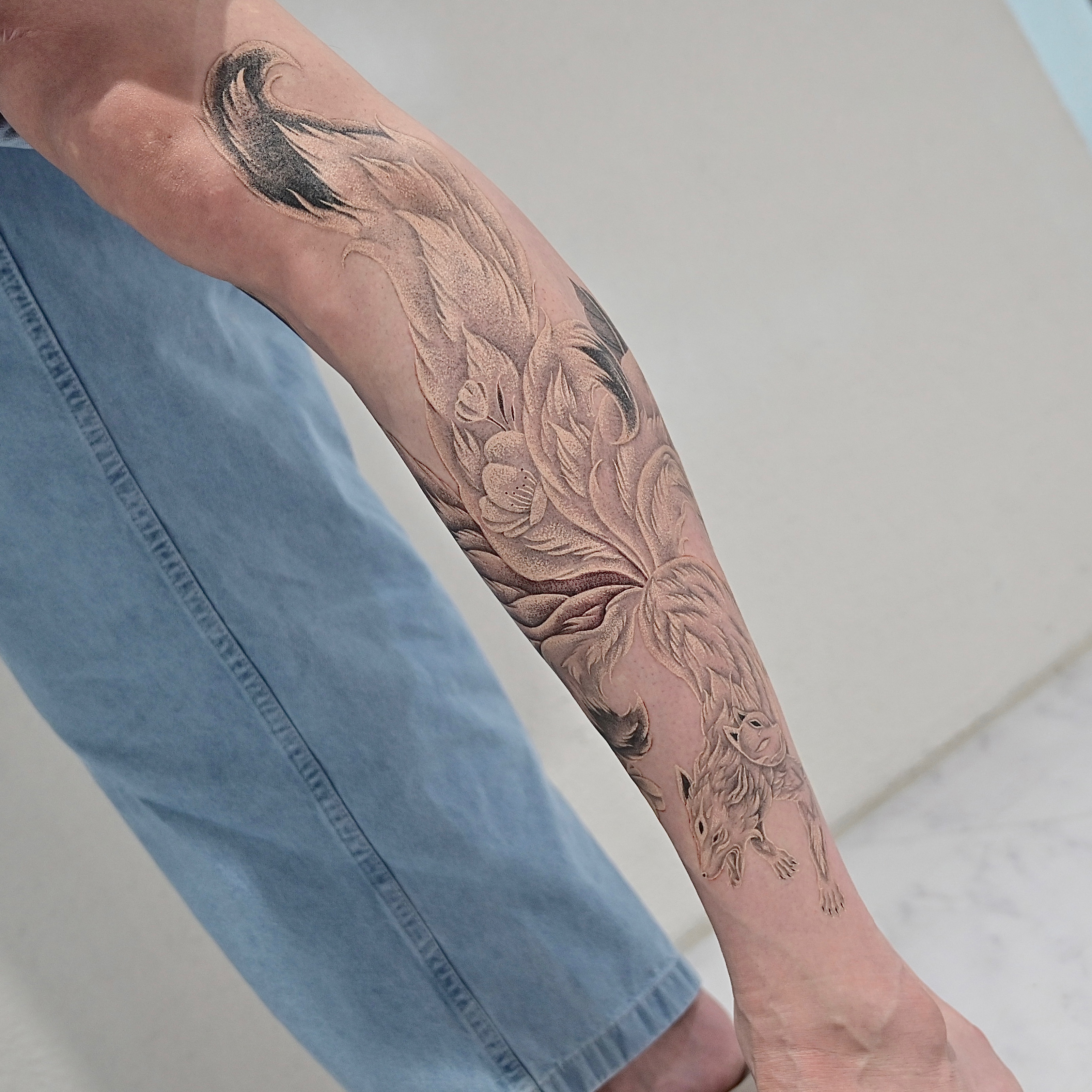
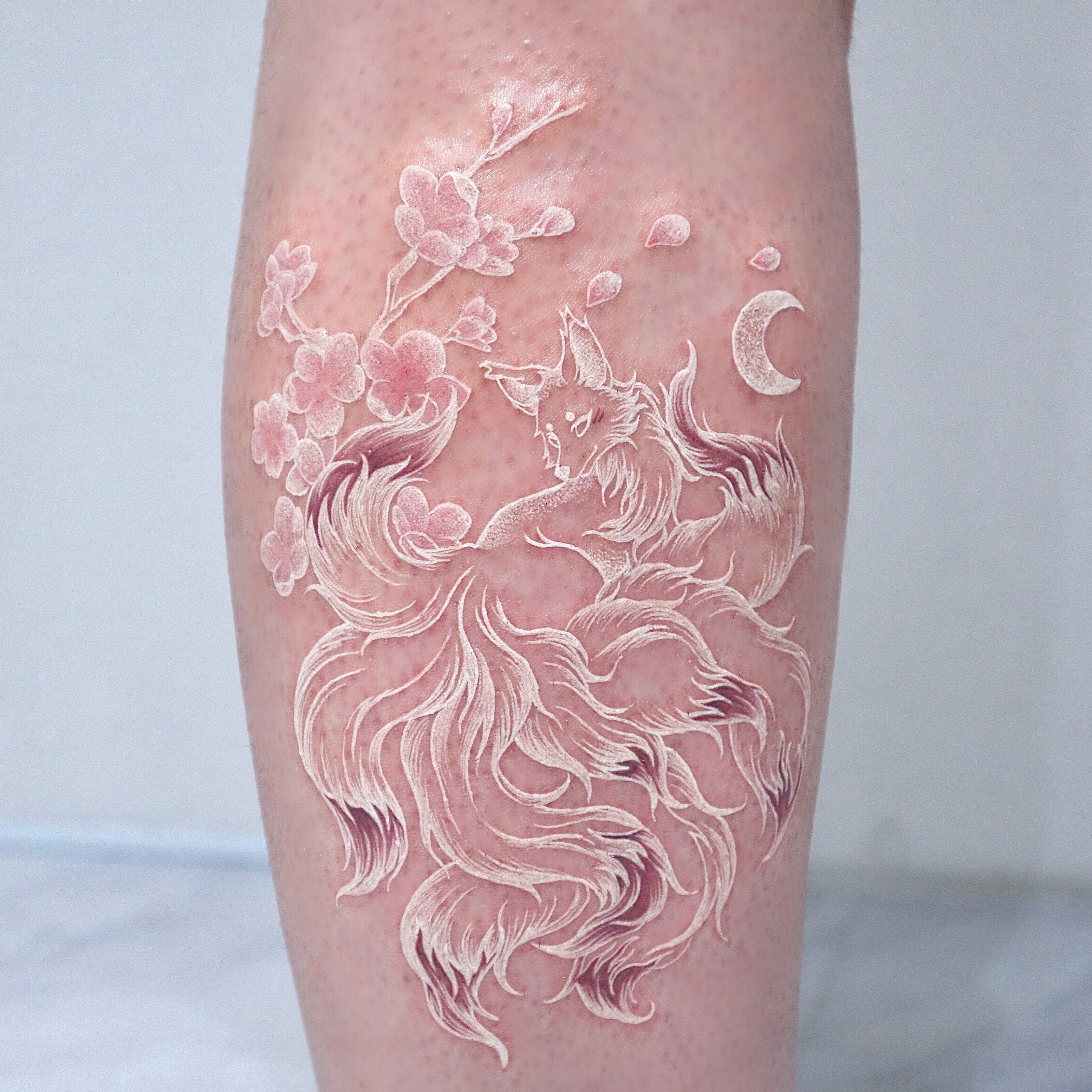
White tattoos are a delicate and subtle and modern form of tattooing, primarily using white ink. Their soft, understated tones blend seamlessly with the skin, complementing any style or fashion. Highly appreciated by those who prefer a subtle alternative to black tattoos, white tattoos offer a refined way to enjoy body art.

PICK UP TATTOO - 01

PICK UP TATTOO - 01

PICK UP TATTOO - 02

PICK UP TATTOO - 02

PICK UP TATTOO - 03

PICK UP TATTOO - 03

PICK UP TATTOO - 04

PICK UP TATTOO - 04

Industry-Leading White Tattoo Expertise in Japan

White tattoos (white ink tattoos) are generally considered difficult, as the ink is more challenging to implant and requires a high level of technical precision.

At TATTOO STUDIO Ray's, we have studied tattooing techniques from the ground up and established reliable white tattoo methods through our own extensive experimentation and hands-on experience.

Currently, we are proud to be recognized as one of the top studios in Japan for white tattoo artistry, with a proven track record and advanced technical skill. Our reputation has attracted not only clients from across Japan, but also many visitors from overseas.

If you are interested in white tattoos, please feel free to contact us for more information.
antima tattoo

Antima Tattoo

Antima Tattoo Main Image
antima tattoo

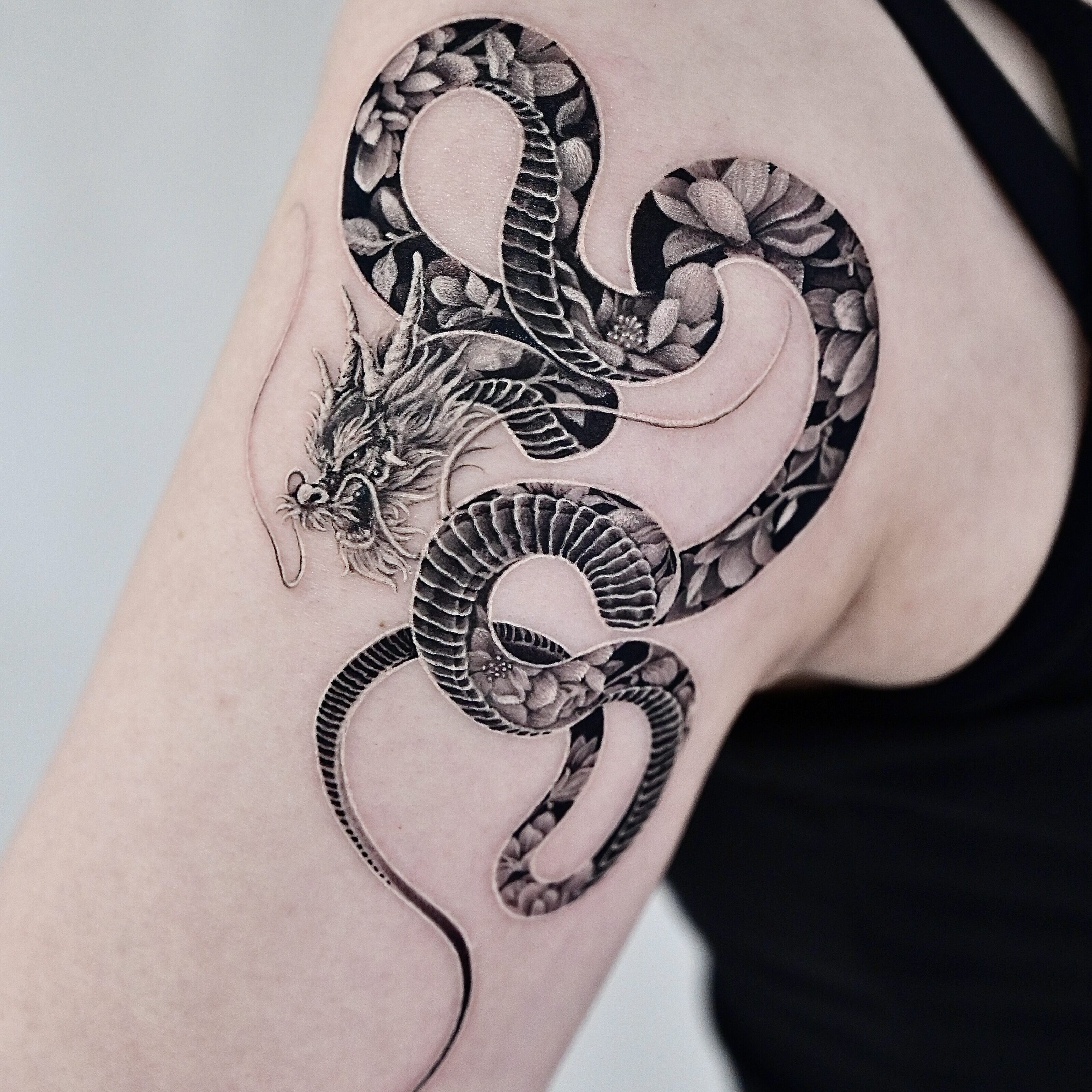
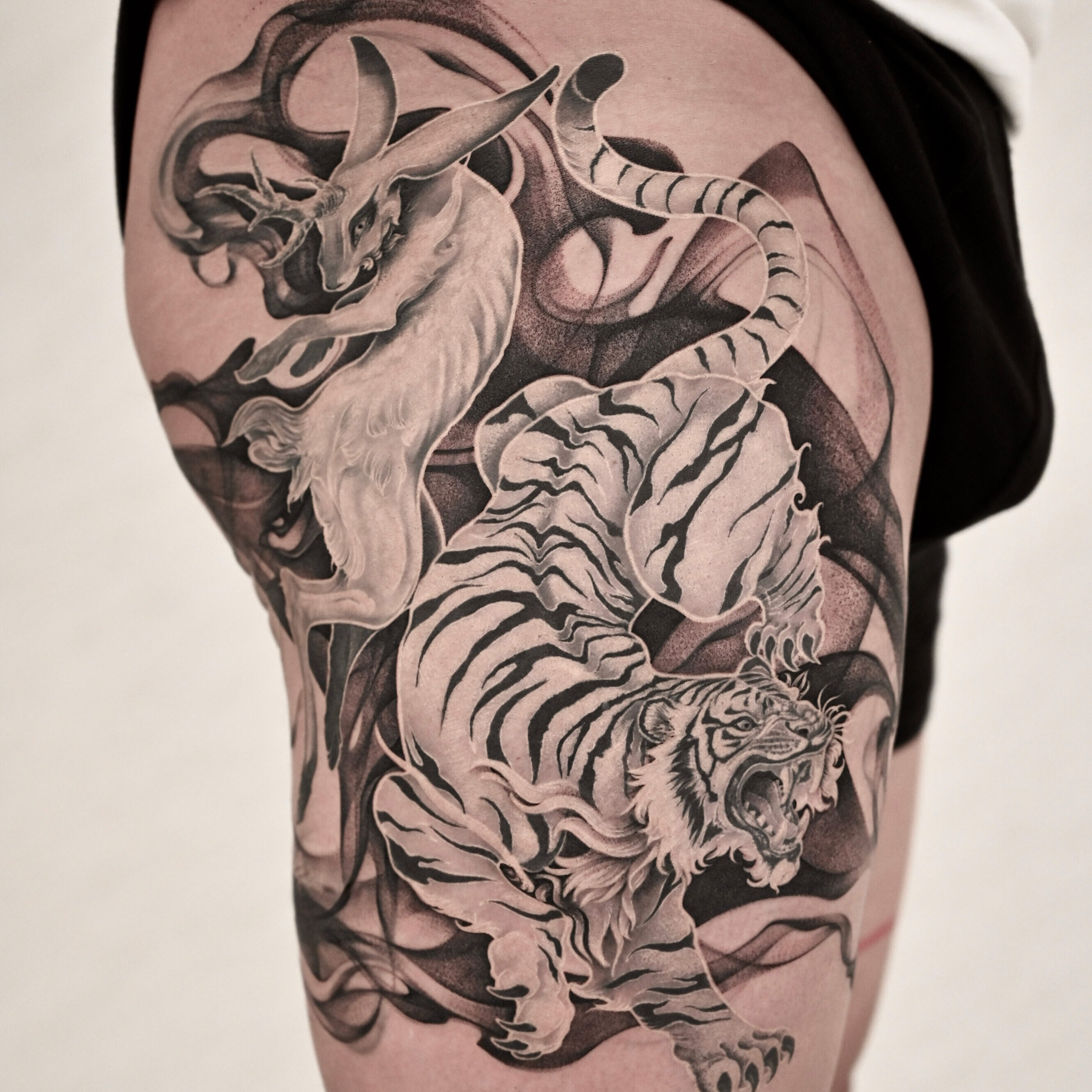
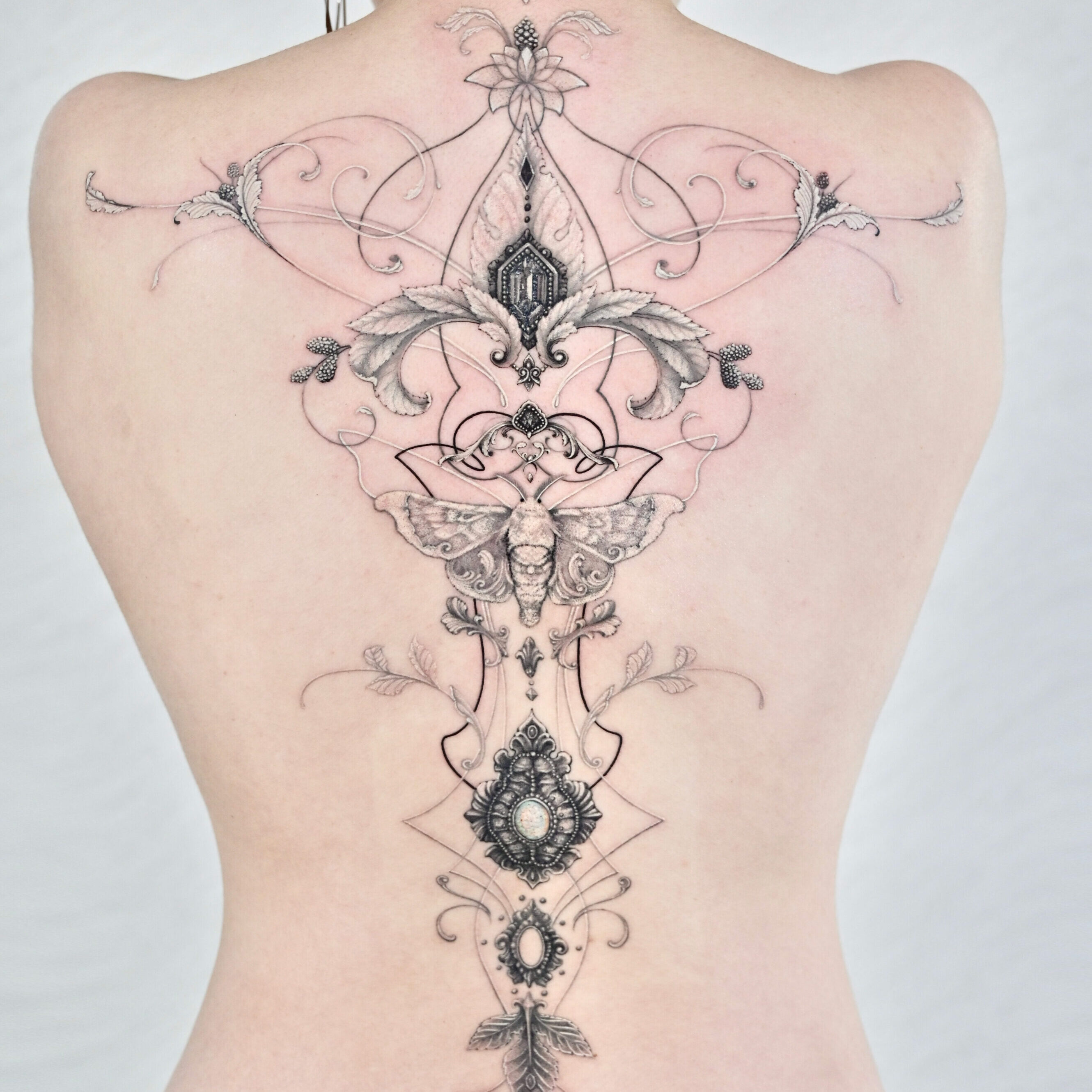
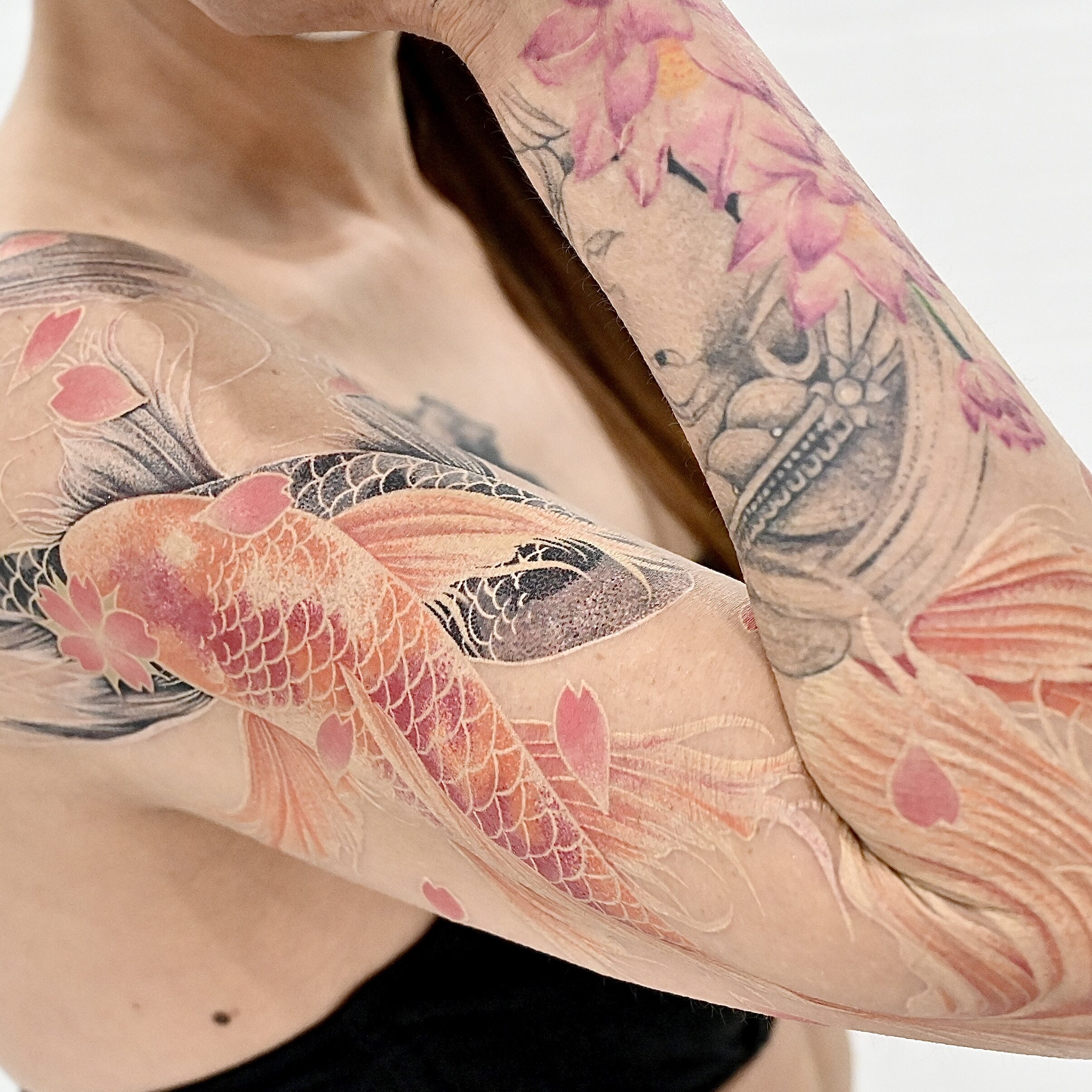
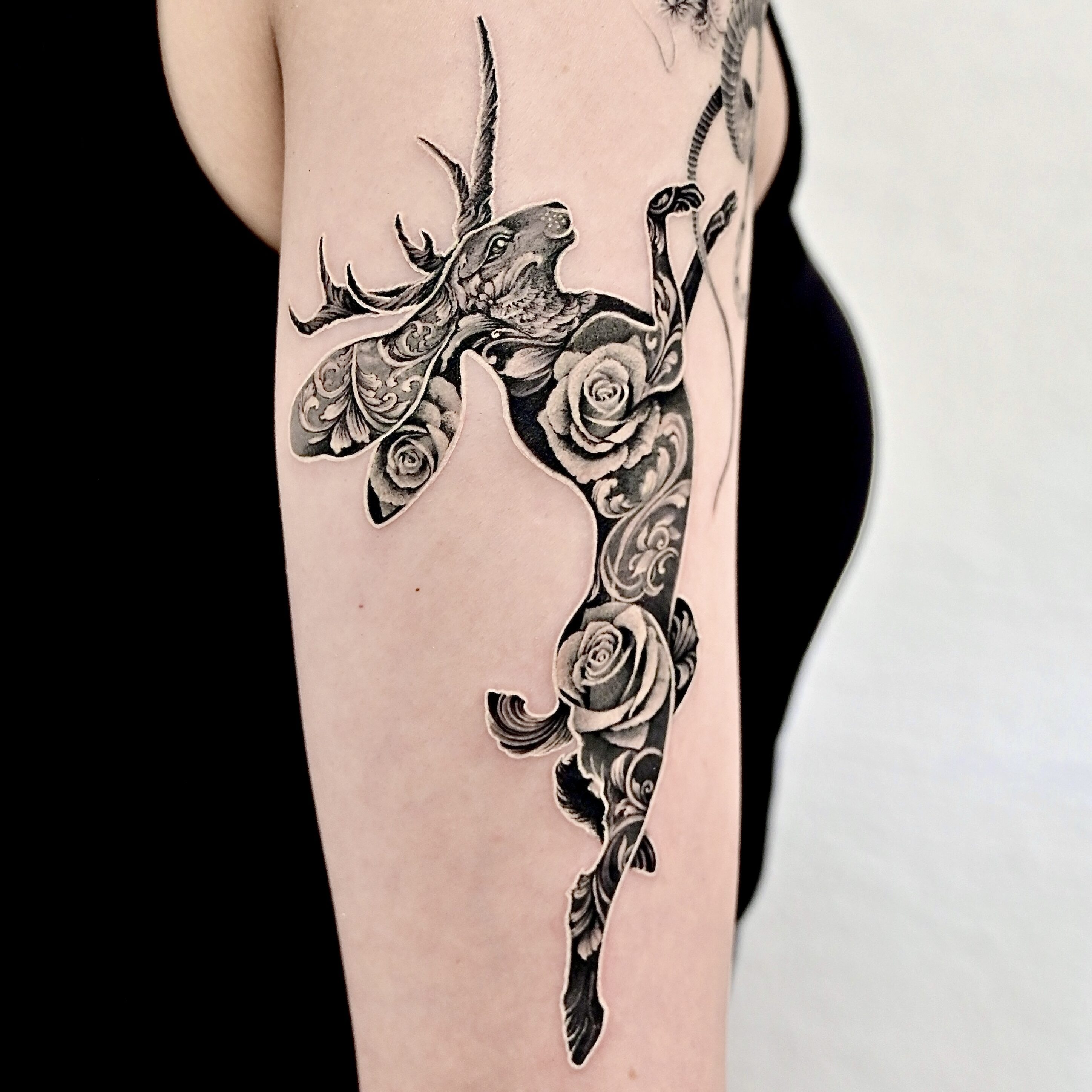
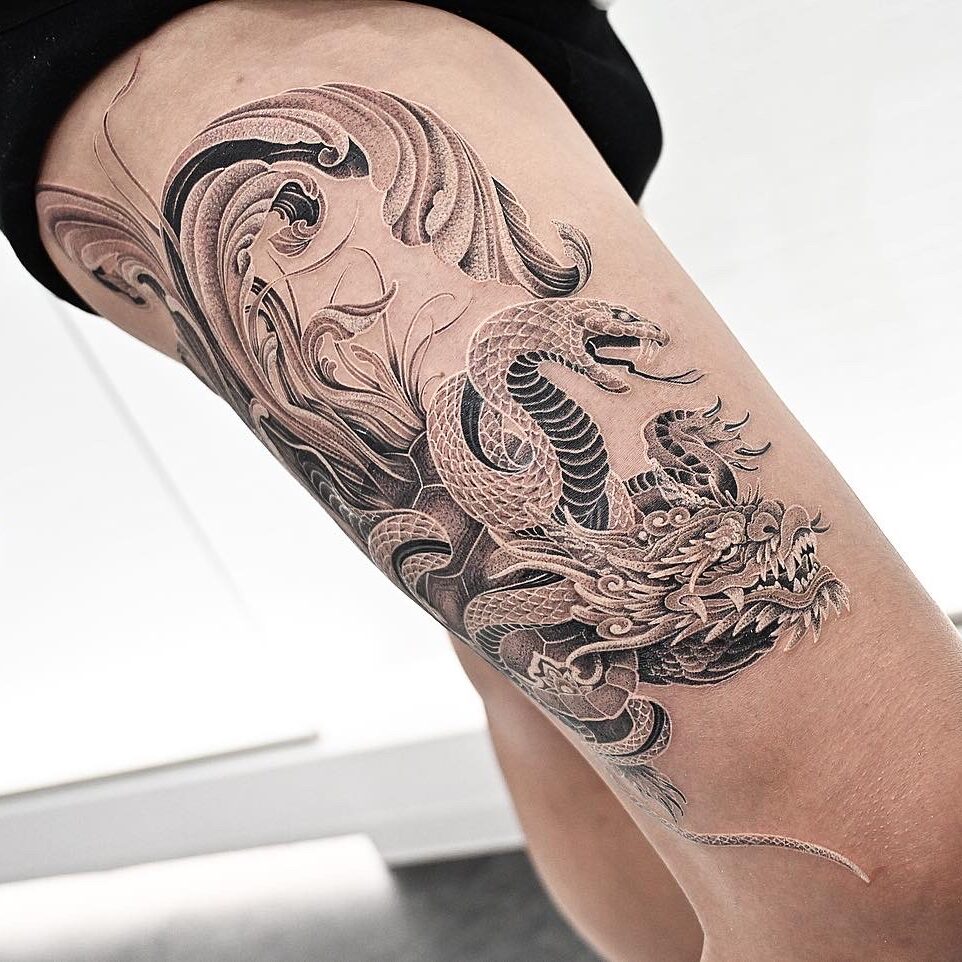
Antima tattoos are a one-of-a-kind style that elevates white tattoo techniques. It intentionally uses white ink for the outlines—a stark departure from the usual black—and incorporates dotwork and color gradients.
The artistry is so profound that professional tattooists have called it "nothing short of traditional craftsmanship." It's ideal for those seeking originality or a subtle alternative to black tattoos.

PICK UP TATTOO - 01

PICK UP TATTOO - 01

PICK UP TATTOO - 02

PICK UP TATTOO - 02

PICK UP TATTOO - 03

PICK UP TATTOO - 03

PICK UP TATTOO - 04

PICK UP TATTOO - 04

A New Form of Tattoo Expression

Standard tattoos are typically created by outlining the design with black lines and then layering color within those lines.

In contrast, Anti-Matter tattoos employ a highly specialized technique that uses the most delicate color—white—for the outlines. Because of this, the finishing process demands extreme precision and an exceptionally sensitive touch, ensuring that colors do not overlap or blur.

Through the pursuit of this meticulous tattooing technique, we have developed a new form of tattoo expression—distinct from standard tattoo methods—refined like fine craftsmanship, with a heightened sense of detail and depth.

Final Appearance

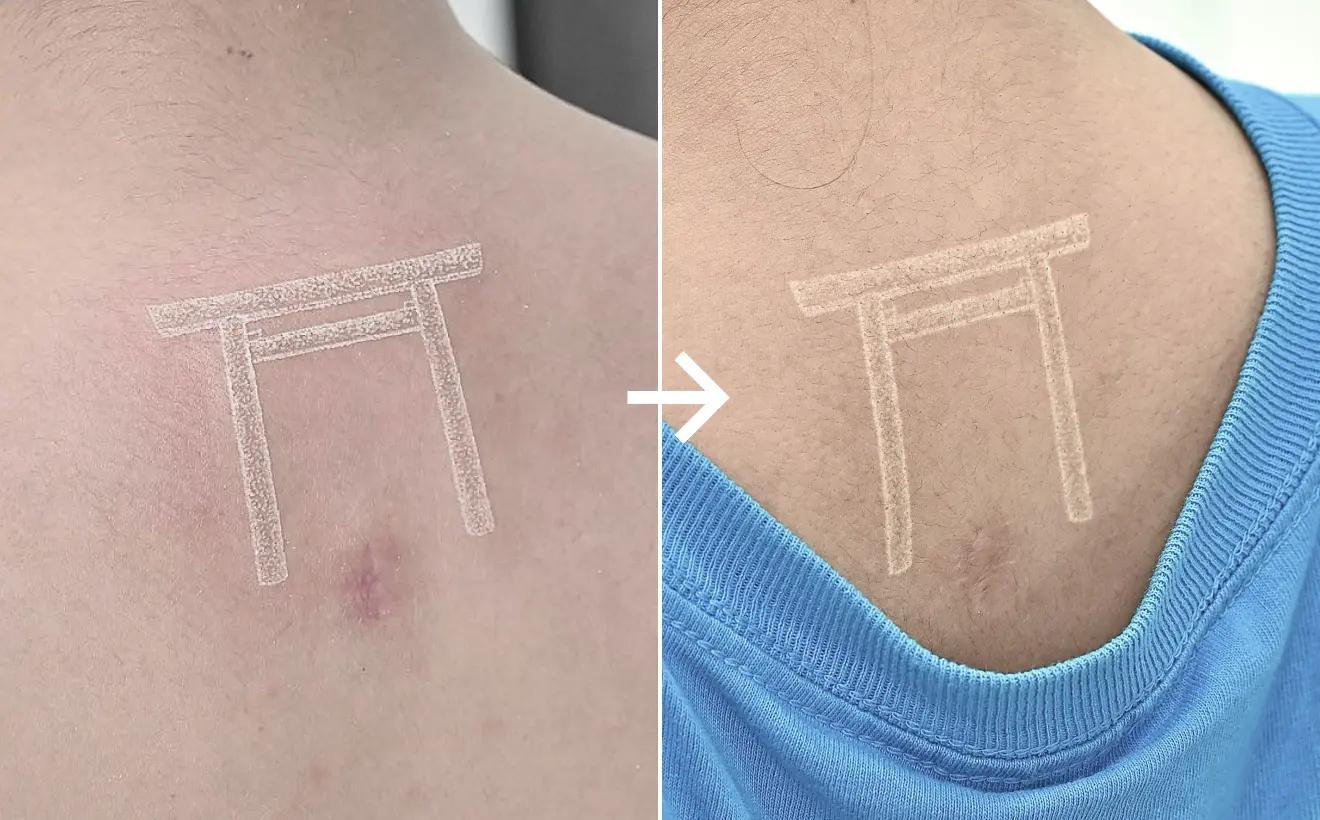
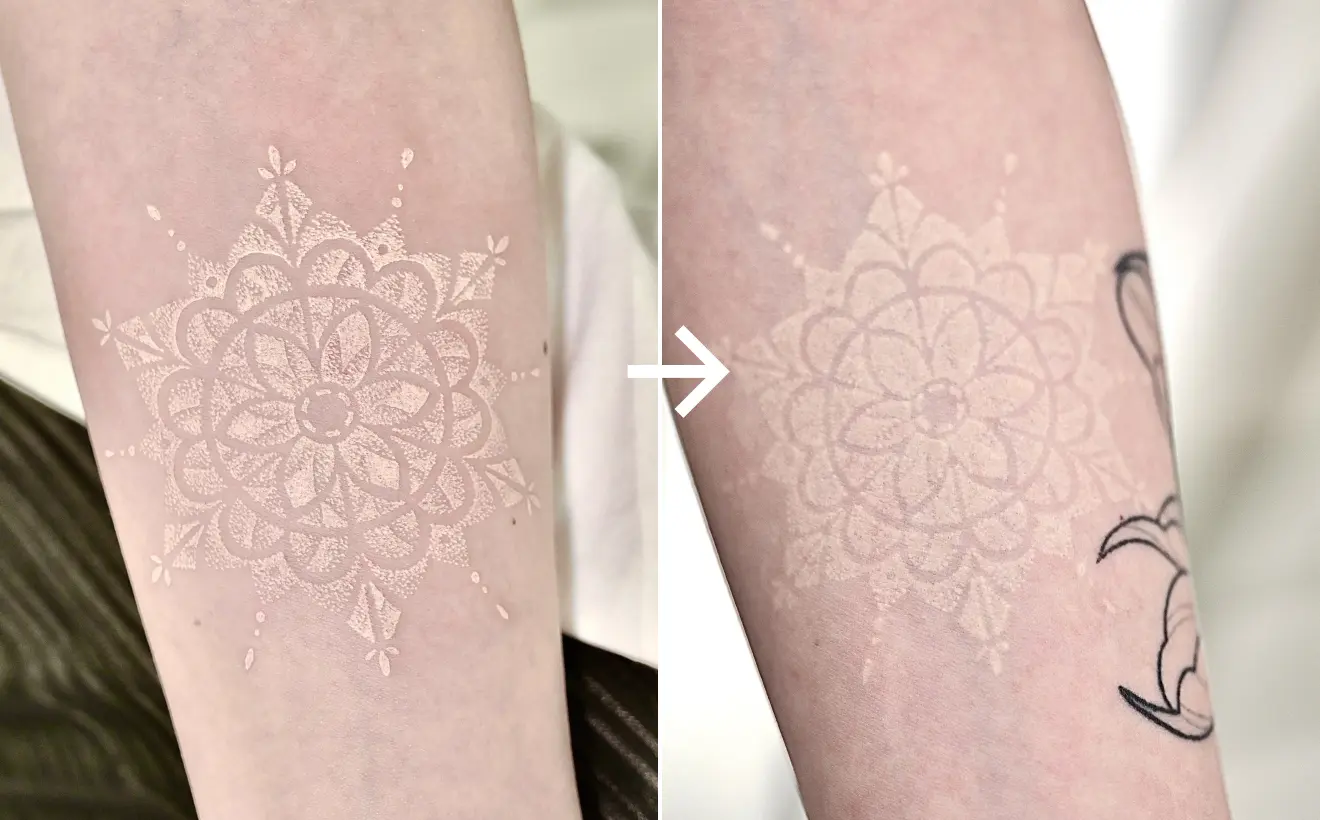
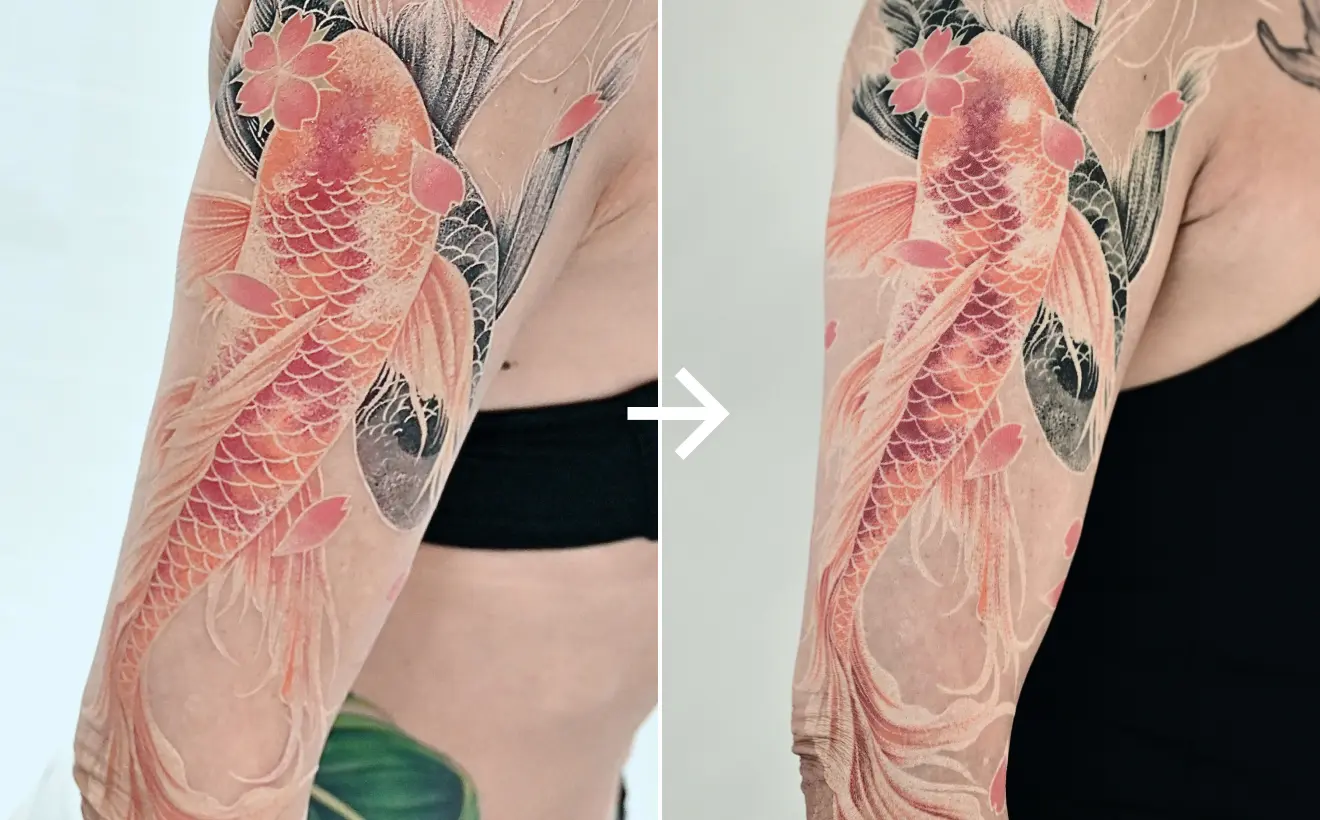
White tattoos require an approximate one-year "downtime" (stabilization period) after the procedure. This period allows the epidermis to fully heal and is an essential process during which the ink settles properly beneath the skin and gradually reveals its true tone.

During the healing process, the white ink placed in the dermis may temporarily lose brightness and appear dull or muted. A similar reaction occurs with black and color tattoos; however, because darker pigments show less visible change, this phenomenon is often perceived as unique to white tattoos. Please be assured that this change is due to the condition of the epidermis and does not mean the ink itself has discolored. Once the epidermis has fully stabilized and the skin's natural clarity returns, the dullness fades and the white tattoo's original, refined brightness becomes visible.

Please note that the final appearance may vary depending on your skin tone and overall skin condition.
Important Notes and Risks of White Tattoos

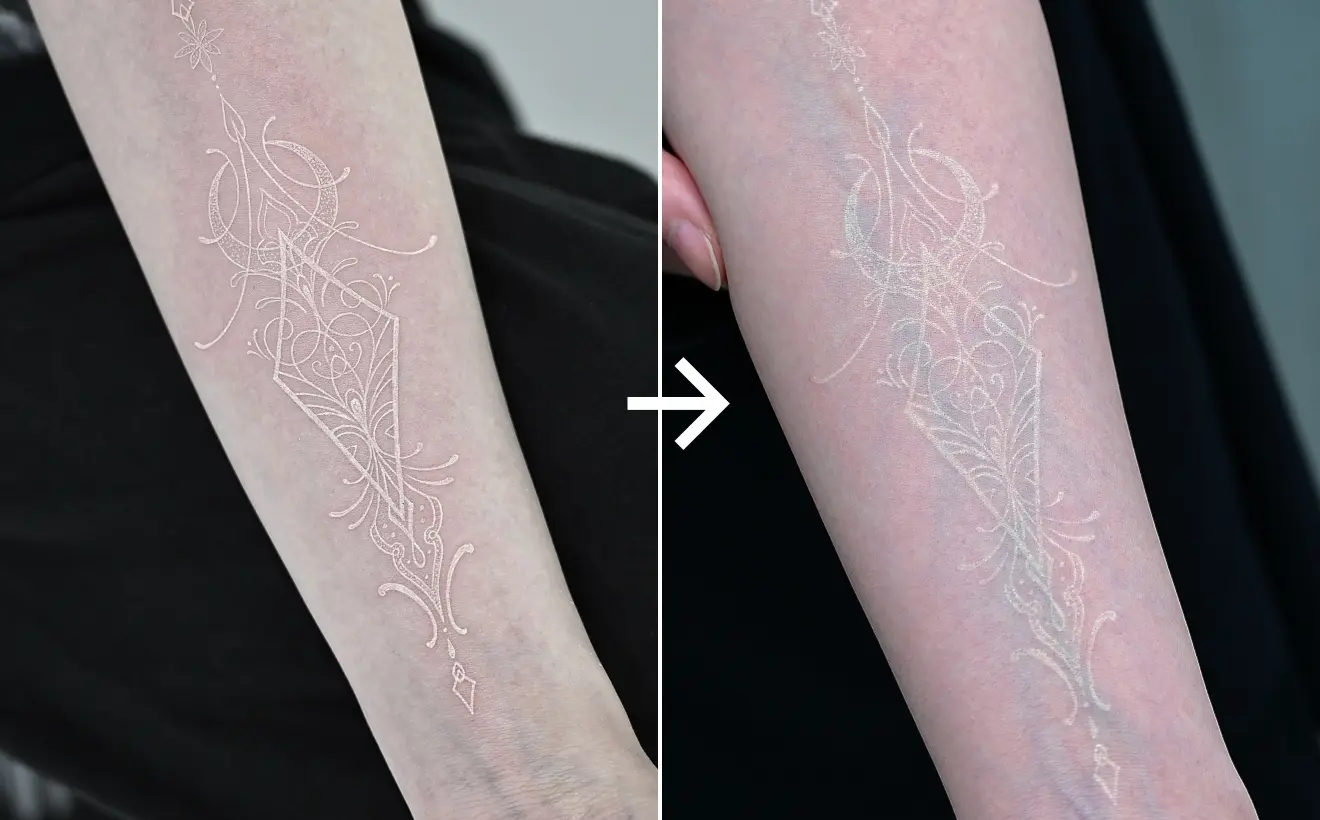
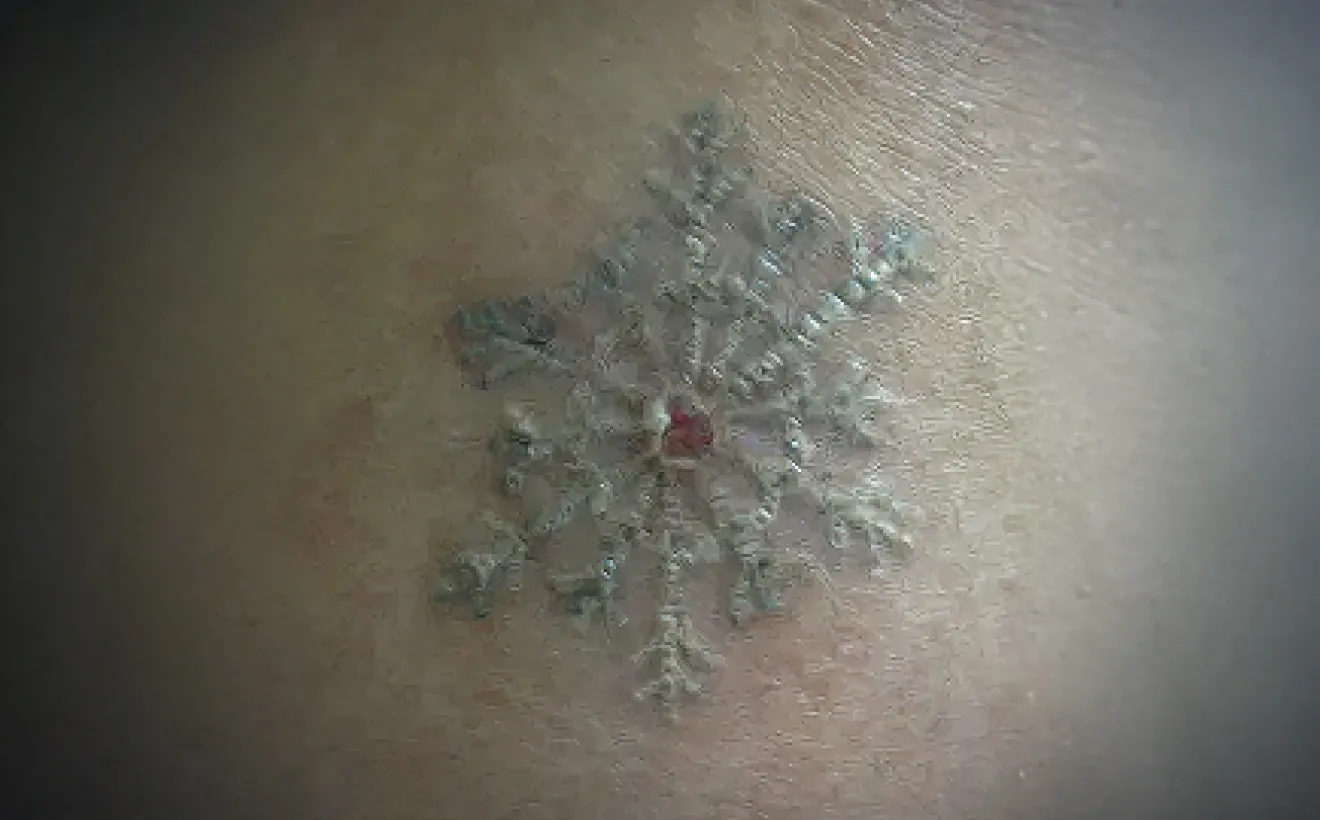
This client requested a white tattoo (white ink tattoo) as their first tattoo and underwent the procedure at another studio. Although they were told it could be done "without any issues," the result was damage to the skin tissue, causing the white ink to discolor to a greenish-brown tone.

The red area in the center of the photo is not red ink—it is scar tissue where the skin was unable to regenerate properly. The final result of a white tattoo varies greatly depending on the artist's skill and knowledge. Factors such as ink depth, understanding of skin types, and proper handling of white ink are critical. Even small mistakes can lead to problems such as discoloration or permanent scarring.

White tattoos are extremely delicate and require a very high level of technical expertise. For this reason, it is essential to choose an artist with extensive experience in white tattoos and a studio whose skills and knowledge you can truly trust.
FAQs

  • Does white ink fade easily?

    White tattoos require more careful aftercare compared to standard tattoos. Depending on the placement and your skin type, the ink may not fully stabilize in a single session. However, once the ink has properly settled into the skin, it does not fade. 

  • Is laser hair removal possible on a white tattoo?

    At our studio, we do not have conclusive scientific evidence regarding hair removal on tattooed skin. Since white tattoos, like standard tattoos, place ink into the dermal layer, the risk of ink damage or fading due to hair removal cannot be completely ruled out. For this reason, we do not recommend hair removal on tattooed areas, regardless of ink color.

  • Do white tattoos look better on darker skin tones?

    Regardless of skin tone, the final appearance varies from person to person. The color and condition of the newly formed epidermis after scabbing, as well as individual skin characteristics, all affect how the white ink appears.

  • Will the ink discolor over time?

    The ink itself does not discolor. However, because the tattoo is visible through the epidermis, the appearance of the white ink may vary depending on skin pigmentation and overall skin condition.

  • Is it more painful than a regular tattoo?

    Pain perception differs from person to person, but there is no significant difference in pain compared to standard tattoos.

  • Can any design be done as a white tattoo?

    Most designs are possible; however, white ink cannot create strong contrast or shading like black ink. Designs with heavy shading, such as portraits, are not suitable for white tattoos. We recommend simple designs with minimal shading, such as geometric patterns, linework, or lettering.